Closet design is not really about buying matching hangers or folding sweaters into perfect little rectangles. It is about making your actual wardrobe easier to use. When every blouse disappears beneath three neglected cardigans, getting dressed becomes a daily excavation project. A thoughtful closet design plan gives each garment room, a clear purpose, and a realistic place in your week.
I learned this from years in apparel design, where a garment had to survive fit sessions, retail feedback, and a very unforgiving sales floor. Your closet deserves the same level of editing. The question is not whether a piece is beautiful on a hanger. The question is whether it works for your body, your schedule, and the other clothes already in the room.
Start with the wardrobe you actually wear
The strongest closet design begins with observation, not shopping. For one week, photograph your outfits before leaving for work, school drop-off, errands, or dinner. Notice the repeated formulas. Perhaps you reach for straight-leg jeans, a fine-gauge sweater, and loafers because that combination handles the whole day. Perhaps your silk blouse stays untouched because it needs a camisole, special bra, steaming, and more patience than Tuesday morning allows.
Pull everything out by category and make three groups: worn regularly, worn under specific conditions, and ignored. The middle group matters. A wool blazer might be excellent for client presentations but useless on a humid playground morning. That does not make it a bad garment; it gives it a narrow job. The ignored group deserves a closer look for concrete reasons: scratchy fabric, awkward sleeve length, a waistband that shifts, or a color that does not connect to anything else.
Do not start by throwing away half your closet. I once removed six perfectly serviceable knit tops from my own wardrobe because I was tired of seeing them. Two months later, I had to replace the exact layering pieces I had discarded. Editing is not punishment. It is a way to see what you own clearly.

Build around outfit formulas, not isolated pieces
A useful closet design creates combinations before it adds garments. Choose three or four outfit formulas that match your life. Mine might be a cotton shirt, cropped trouser, and leather sneaker for studio days; a merino sweater, dark denim, and ankle boot for school events; or a fluid midi skirt, knit jacket, and low heel for dinner.
Write the formulas down, then count how many versions you already own. If one navy trouser works with five tops and two jackets, it is doing more work than a dramatic printed skirt that has never left the bedroom. This is not an argument for boring clothes. It is an argument for useful drama. A leopard belt, red loafer, or sculptural earring can change a simple outfit without requiring an entirely separate wardrobe.
Color matters because it controls the number of combinations. I usually recommend a base of two neutrals, such as navy and camel, charcoal and ivory, or black and denim, then two supporting colors. A closet with navy, olive, rust, cream, and denim has a clear conversation. Add an isolated neon sweater and it may become an expensive one-line joke.
Pay attention to proportion and construction
Good closet design is also a fit study. Look at where shoulder seams land, whether a shirt pulls across the bust, and whether a jacket sleeve ends at a useful point on the wrist. These details determine whether clothes look intentional when you move, sit, and reach for a backpack.
Pair volume thoughtfully. A wide-leg trouser often works beautifully with a shorter jacket or a tucked, closer-fitting knit because the outfit has an obvious shape. An oversized shirt can handle a straight jean or narrow skirt without competing for attention. None of this is about making a body look smaller. It is about giving the eye a clear line to follow.
Fabric construction tells you what belongs in regular rotation. A 100 percent cotton poplin shirt may wrinkle, but it will breathe and press cleanly. A merino wool blend can layer under a blazer without the bulk of chunky acrylic. Be cautious with very thin rayon jersey: it can feel lovely in the fitting room and show every seam after a few wears. Check the recovery at cuffs, the neatness of interior seams, and whether a knit springs back after you gently stretch it.
Give every category a practical home
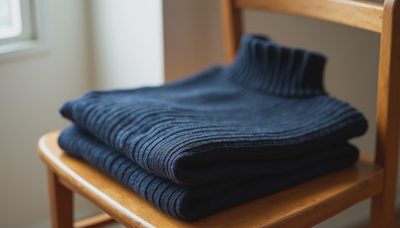
A closet design system should work at 7:10 a.m., not only after a weekend organizing project. Keep the garments you wear most often between shoulder and eye level. Hang jackets, trousers, dresses, and woven shirts. Fold knits because hangers can leave shoulder points and distort a fine merino cardigan. Use one drawer for workout clothes rather than allowing leggings to colonize every shelf.
Arrange by category first and color second. A row of jackets is easier to scan than a rainbow that mixes blazers, dresses, and shirts. Within a category, place dark neutrals together, then lighter neutrals, then colors and prints. Clear acrylic dividers can help with small accessories, while a simple over-door hook is often more useful than an expensive storage tower.
If you have limited space, reserve prime real estate for current-season clothing and store off-season pieces in breathable cotton bags. Avoid sealed plastic for wool, silk, and leather. Leave enough space between hangers to remove one garment without dragging five others onto the floor.

Shop for the missing links
Once your closet design map is clear, shop only for gaps that unlock several outfits. A missing third layer is often more valuable than another top. Try a cotton-linen chore jacket around $120 to $200 from brands such as Alex Mill or Madewell, depending on the cut and sale timing. For trousers, look for a fabric with enough structure to hold a crease but enough stretch for sitting through a school meeting.
Price is useful only when connected to wear. A $45 Uniqlo merino sweater worn twice a week can be a stronger purchase than a $250 statement knit that requires delicate handling and has no partner pieces. Everlane, J.Crew, Quince, COS, and Banana Republic all offer different strengths, but inspect the actual garment rather than trusting the label. Brand reputation cannot fix a bad sleeve or a waistband that rolls.
Before purchasing, make at least three outfits with the proposed item in your head. If you cannot pair it with existing trousers, shoes, and a layer, it is not filling a gap. It is creating a new assignment.
Create a five-minute getting-dressed test
The final test of closet design is speed without chaos. On a Sunday, choose five outfits for the coming week and hang each complete look together, including shoes or accessories when practical. This exposes missing basics quickly. If every outfit needs the same black belt, you need to place that belt where you can reach it, not buried in a drawer.
After two weeks, note what you skipped and why. Did the blouse need ironing? Did the trousers feel wrong with your walking shoes? Did the cardigan pill under your coat? Those are design notes, not personal failures. Adjust the system, repair what is worth repairing, and move on from pieces that keep asking you to become a different person.
A well-designed wardrobe should support the life you have: a presentation, a grocery run, a long carpool afternoon, and dinner where you want to feel like yourself again. That is the whole point of closet design. Every piece earns its hanger.



No comments yet — be the first to share a thought.