The magic of decluttering is not having a closet that looks impressive in a photograph. It is opening the door at 7:18 a.m., seeing clothes you actually wear, and getting dressed without negotiating with twenty abandoned versions of yourself. After seven years designing women's wear at J.Crew, I learned that a wardrobe works through proportion, repetition, and useful fabric—not sheer volume. The same principle applies at home: every piece earns its hanger.
Start with the real problem, not the fantasy self
Most closet edits fail because they begin with an imaginary lifestyle. You pull out silk trousers for the gallery-opening version of yourself, a sequined top for a party that has not appeared on the calendar in three years, and walking shoes you bought for a more athletic identity. Then you keep everything because each item represents a possibility.
Begin with the week you actually live. Look at school drop-off, commuting, client meetings, grocery runs, dinner, and weekends. If you work from home four days a week, your wardrobe needs polished knitwear and comfortable bottoms more than six formal dresses. If you present to clients every Tuesday, one excellent blazer matters more than five mediocre ones.
The magic of decluttering starts when you separate a garment's story from its job. A blouse can be beautiful and still wrong for your life. A $25 cotton tee can be more valuable than a $220 statement piece if it gets worn twice a week and washes well. This is not a moral judgment about spending. It is a practical judgment about use.
Make a four-pile edit that tells the truth
Take everything out of one category, not the entire closet. I usually begin with tops because they reveal habits quickly. Put each item into four groups: wear now, repair or alter, seasonal storage, and release. Do not create a giant maybe pile. Maybe is where indecision goes to collect rent.
In the wear-now group, inspect the details. Does the shoulder seam sit where it should? Does the neckline stay flat? Are the cuffs stretched, the armpits shiny, or the fabric pilling after three washes? A merino blend from Everlane can be useful for a workday, but if it has developed a fuzzy halo that makes you feel untidy, it is not earning its space. A Madewell cardigan with a loose button may deserve ten minutes with a needle. A polyester blouse that traps heat under a blazer probably does not deserve another chance.
For every uncertain item, ask three direct questions: Would I choose this for next Monday? Can I name two outfits with clothes already here? Would I buy it again at its current price? If the answer is no three times, release it. The magic of decluttering is often just permission to stop treating a sunk cost like a future plan.

Build outfit formulas instead of chasing more pieces
A small wardrobe becomes useful when you know its formulas. Mine might be straight-leg jeans, a fine-gauge sweater, and loafers for a school meeting; wide-leg trousers, a tucked shirt, and a cropped jacket for a client presentation; or a knit dress with a denim jacket for dinner. These combinations are not uniforms in the dull sense. They are reliable starting points.
Look for the proportions that repeat successfully. If your favorite trousers are high-waisted and full through the leg, a shorter cardigan or a shirt tucked at the natural waist will usually create a cleaner line than a long, loose tunic. If you live in ankle-length pants, check whether your shoes leave enough visual space at the hem. This is design thinking: the relationship between pieces matters more than the isolated appeal of one item.
The magic of decluttering becomes visible when your closet begins to suggest outfits. Keep a navy blazer only if it works with your jeans, trousers, dress, and casual skirt. Keep three white shirts only if they do different jobs: perhaps one crisp cotton poplin, one fluid rayon for travel, and one relaxed linen for warm weekends. Duplicates need a reason beyond color.
Edit by fabric, fit, and maintenance
Fabric tells you whether a piece can survive your actual schedule. A cotton-modal tee is often easy for layering, while a delicate viscose blouse may need careful washing and a hanger with broad shoulders. Polyester is not automatically bad, and natural fibers are not automatically practical. The question is whether the hand feel, drape, and care instructions suit the garment's role.
Fit deserves the same clear-eyed treatment. A jacket that pulls across the back will not become comfortable because you admire its buttons. A sweater with a shoulder that drops too far may overwhelm the proportions of your favorite skirt. Try each questionable item with the shoes and underlayers you would really wear. A dress that works only with a special bra, shapewear, and a four-inch heel is not a versatile dress for most Tuesday evenings.
Alterations can rescue excellent clothes. Shortening sleeves may cost roughly $20 to $45, while hemming pants often falls in a similar range depending on lining and construction. That can make sense for a $180 wool trouser. It makes less sense for a $35 pair whose fabric already bags at the knees. The magic of decluttering is not radical minimalism; it is directing money and attention toward clothes with a fair chance of becoming favorites.

Give the remaining clothes a working system
Once you have edited, organize by category first and color second. Hang jackets together, then shirts, skirts, and dresses. Fold knits so gravity does not stretch the shoulders. Use slim velvet hangers if they help you fit clothing safely, but do not buy a dozen storage products before you know what remains. A clear shelf and a little breathing room solve more problems than matching bins.
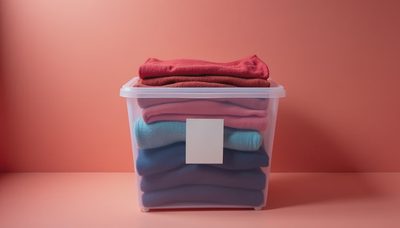
Place your highest-use pieces between eye and hand level. Keep occasionwear together, but do not let it occupy the prime real estate needed for everyday clothes. I store off-season wool coats and heavy sweaters separately in breathable containers, never compressed plastic that traps moisture. Shoes should be visible enough that you remember them; the pair hidden behind a boot tower is effectively gone.
The magic of decluttering continues after the first edit. For two weeks, notice what you reach for, what you avoid, and what you borrow from another category to complete an outfit. If a blazer repeatedly needs a different button, move it to repairs. If a pair of pants never leaves the hanger because the rise feels wrong, believe the evidence.
Shop after the closet has spoken
Do not celebrate an edit by replacing every empty hanger. Wait until you can name the actual gap. Perhaps you have four sweaters but no lightweight layer for air-conditioned offices. Perhaps your jeans work with sneakers but not the loafers you wear to dinner. A useful shopping note includes the item, color, fabric, proportion, and maximum price: “black merino cardigan, slightly cropped, under $150,” not “new clothes.”
When comparing options, inspect the seams, lining, buttons, and care label. A $98 cardigan that pills immediately is expensive; a $145 cotton blazer with clean finishing and three years of use may be a better buy. Try the new item with at least three existing outfits before removing tags. The magic of decluttering should make shopping quieter, not turn your closet into a rotating subscription box.
This approach also makes sales easier to resist. A 40 percent discount is still a full garment taking up space. Brands such as Uniqlo, Quince, J.Crew, COS, and Banana Republic all offer different strengths, but no label can guarantee a piece belongs in your life. Touch the fabric, check the construction, and picture the next ordinary Wednesday.
Make the decision feel finished
A finished closet does not mean you will never change your mind. It means each remaining piece has a clear role, a workable fit, and enough wear potential to justify its place. Photograph a few successful outfits on your phone so rushed mornings have a starting point. Keep a small repair list and schedule it before the pile becomes invisible.
For the released clothes, choose the most useful next step: resale for strong brands in excellent condition, donation for clean everyday pieces, textile recycling for damaged fabric, and responsible disposal only when no other route makes sense. Do not let the exit process become another closet project that prevents you from moving on.
The magic of decluttering is ultimately a design exercise. You are editing color, line, texture, and function until the collection supports the life in front of you. At my house in Richmond, that life includes pottery dust, school pickup, client calls, and the occasional muddy James River weekend. The clothes do not need to perform every fantasy. They need to work. Every piece earns its hanger.



No comments yet — be the first to share a thought.