The phrase boho boho fashion sounds like a search bar hiccup, but the style question behind it is clear: how do you wear relaxed, romantic clothes without looking like you are headed to a music festival? The answer is not more fringe, more turquoise, or a closet full of floaty dresses. It is proportion, fabric, and restraint. Good bohemian dressing feels collected rather than themed, and every piece earns its hanger.
I say this as someone who spent seven years designing women's clothing at J.Crew. Boho clothing works best when one item carries the visual interest and the rest gives it room. A printed blouse with straight-leg denim is an outfit. A printed blouse, embroidered vest, stack of bangles, suede booties, and floppy hat is a costume. The distinction is small on a shopping page and obvious in a school pickup line.
Start with the fabric, not the fantasy
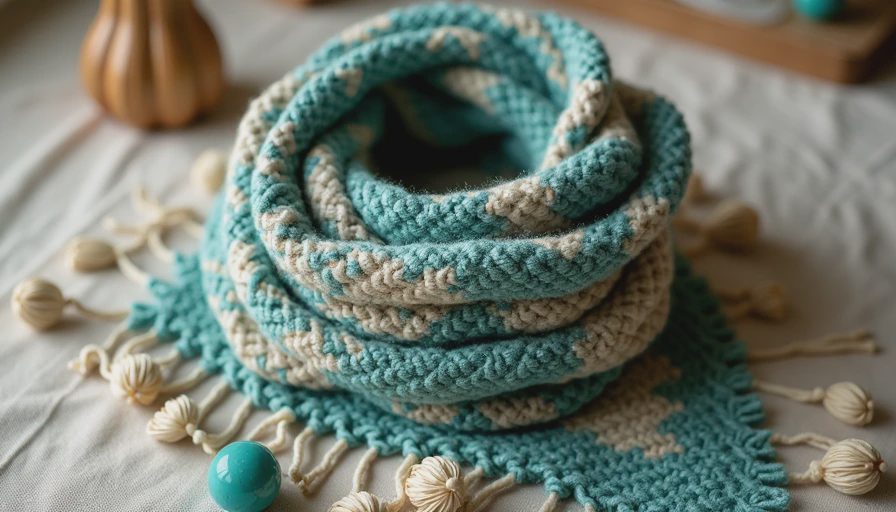
The strongest boho boho fashion pieces have movement, texture, or a slightly imperfect surface. Look for cotton voile, washed linen, gauze, silk crepe, substantial rayon, and soft suede. These materials create ease without depending on an oversized silhouette. A $90 cotton voile blouse from Madewell or a $148 linen shirt from Quince can do more work than a novelty tunic covered in tassels.
Fabric weight matters. Very thin rayon can cling at the bust, twist at the side seams, and lose its shape after a few washes. I once bought a beautiful printed rayon dress for a summer wedding; after one afternoon sitting in a folding chair, the skirt looked like it had been stored in a drawer. The print was charming, but the recovery was nonexistent. A cotton-silk blend or a heavier viscose would have held the line better.
Run your hand over a garment before buying it. Check whether the seams lie flat, whether the hem hangs evenly, and whether the fabric is transparent in daylight. Natural fibers do not automatically mean quality, and a synthetic blend is not automatically a bad choice. A 70 percent rayon, 30 percent linen shirt may wear beautifully if the weave has enough density and the finishing is clean.
Use proportion to make relaxed clothes look deliberate
A useful boho boho fashion outfit usually balances volume. If the top is full, the bottom needs a clearer shape. Try a peasant blouse with high-rise straight jeans, or a tiered midi skirt with a close-fitting ribbed tank. You are not trying to make the body disappear; you are giving the eye an intentional route through the outfit.
For a client presentation, I would pair a softly gathered blouse from Sézane or Boden with dark denim, a narrow leather belt, and a structured blazer. The blazer supplies the architecture that a loose blouse lacks. For school drop-off, swap the blazer for a cropped utility jacket and wear leather sneakers. The same blouse becomes practical instead of precious.
Pay attention to where volume begins. A sleeve that starts at the shoulder and narrows toward the wrist often looks more considered than a dropped shoulder with extra fabric everywhere. A skirt that falls from the natural waist gives you a visible starting point, even when the hem is loose. These small construction details are why two garments with the same bohemian mood can look completely different on the body.
Boho boho fashion does not require a maxi dress. If your closet already has wide-leg trousers, a denim jacket, and a white shirt, you have the foundation. Add one printed scarf or a textured blouse instead of replacing everything.
Build a color story you can repeat
The easiest color palette for boho boho fashion is not unlimited earth tones. Choose three base colors and two accents. Mine would be dark indigo, cream, and tobacco brown, with rust and faded teal as accents. Black, ivory, olive, and burgundy work just as well if they already appear in your closet.
A color story saves time. A rust cotton blouse can work with blue jeans, cream pants, olive cargo trousers, or a brown corduroy skirt. That is four outfits before accessories enter the conversation. If every piece has a separate palette of paprika, lavender, turquoise, and mustard, the closet becomes a collection of attractive problems.
Print scale matters too. A small floral is quieter than a large paisley. For a client meeting, choose one print and keep the supporting pieces solid. For dinner, a dark floral dress with a simple leather sandal feels expressive without looking like you dressed from a theme board. Brands such as Faithfull the Brand and Rails often understand this balance, although I inspect the lining and care instructions before considering the price worthwhile.
Let accessories provide the personality
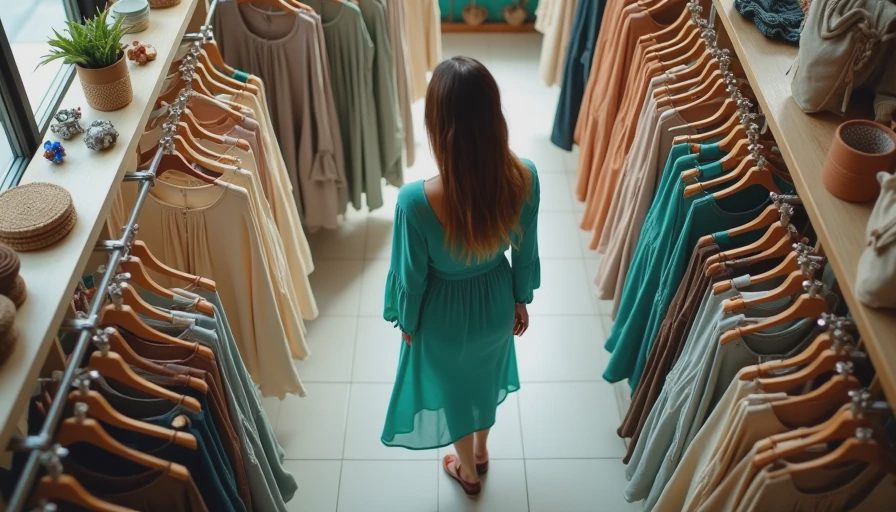
Accessories are where boho boho fashion can become either personal or overworked. Pick one dominant detail. That might be a wide leather belt, sculptural earrings, a woven bag, or a vintage pendant. Two supporting details are enough. A pendant with a woven tote and leather sandals has a point of view; adding a hat, armful of bangles, and fringe jacket starts competing for attention.
Look for materials that age well. Vegetable-tanned leather develops color. Brass can become more interesting with wear. Cotton canvas handles everyday errands better than delicate raffia. A $35 leather belt from Madewell can transform more outfits than a $180 statement necklace that only works with one dress.
Shoes should ground the softness. Try a simple ankle boot, fisherman sandal, clean leather sneaker, or low block heel. Avoid pairing every flowing dress with an obviously rustic shoe. A sleek black sandal can make a gauzy dress appropriate for a restaurant, while a worn-in tan boot keeps the same dress useful for a Saturday market.
Shop for the life you actually lead
The best boho boho fashion capsule begins with your calendar. If most days involve commuting, school pickup, and sitting at a desk, prioritize washable blouses, opaque skirts, and shoes you can walk in. A dry-clean-only silk maxi dress is not a wardrobe solution if it spends nine months behind the closet door.
Before buying, create three outfit tests. Ask whether the piece works with your everyday jeans, your most polished bottom, and one practical shoe. If it only works with a special bag and a particular bra, the cost per wear will be disappointing. A $60 embroidered blouse worn twice costs more in practical terms than a $140 linen shirt worn every week for three summers.
Check care labels and construction. French seams, clean facings, reinforced buttons, and a lining at a sheer skirt signal thoughtful design. Loose embroidery should be anchored on the reverse side. Pull gently across a button placket; if the gap opens in the store, it will not improve at home. These are not fussy details. They determine whether a garment survives real life.
A simple formula for getting dressed
When I want an easy boho boho fashion outfit, I start with one relaxed piece, one clean piece, and one tactile accessory. For example, a printed blouse, straight jeans, and a woven belt. Or a loose linen dress, a cropped denim jacket, and a leather sandal. Or wide-leg pants, a fitted knit tank, and a pendant necklace.
The formula works because each item has a job. The relaxed piece creates movement. The clean piece supplies proportion. The accessory adds character without asking the entire outfit to perform. In Richmond, that might carry me from Maya's swim practice to pottery at the VCU studio without a change of clothes.
Boho boho fashion is worth keeping when it gives your existing wardrobe more combinations, not when it pressures you to buy a new identity. Start with one fabric you love, one useful print, and one accessory you will actually reach for. Leave the rest on the rack. A closet does not need to announce a style category; it needs to support your Tuesday. Every piece earns its hanger.


No comments yet — be the first to share a thought.