The Most Important Piece in Many Wardrobes
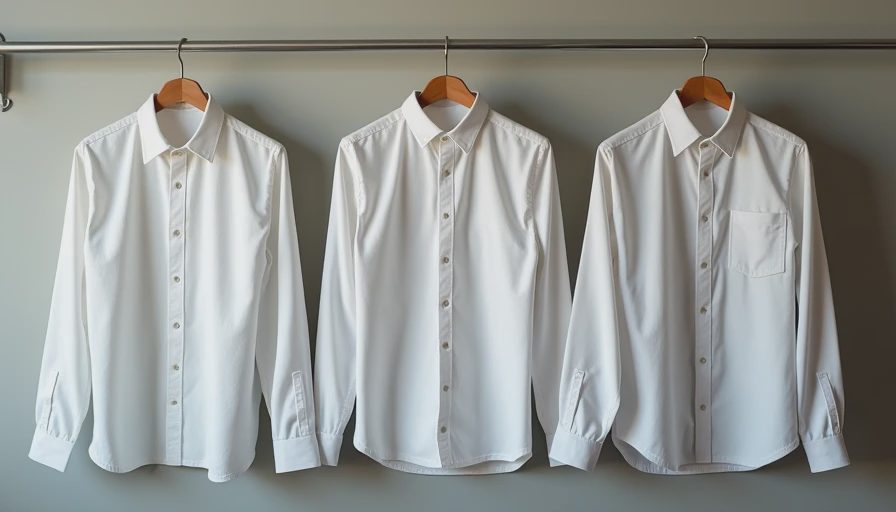
The white button-down is the ultimate capsule wardrobe workhorse. It dresses up jeans, layers under blazers, and works for everything from job interviews to parent-teacher conferences.
But with so many options at wildly different prices, how do you know what’s actually worth it? I bought three versions and put them through a month of real Richmond life to find out.
The Contenders
The $30 Option (Fast fashion retailer)
Lightweight cotton-poly blend, basic construction, standard fit.
The $150 Option (Mid-tier brand)
Better quality cotton, improved details, more thoughtful fit.
The $300 Option (Higher-end designer brand)
Premium long-staple cotton, superior construction, excellent pattern grading.
All in classic white, similar cuts. Now let’s see how they performed.
Week 1: First Impressions and Initial Wear
$30 shirt: Looked decent straight out of the package. Lightweight and comfortable for hot days. However, the fabric felt thin and slightly scratchy. After one wear to a client meeting, it already showed some wrinkling across the front.
$150 shirt: Immediately felt better. Nicer hand feel, better weight, and the collar sat properly. Wore it to school drop-off and then a casual lunch — held up nicely with minimal wrinkling.
$300 shirt: Luxurious from the first touch. Beautiful fabric with a subtle sheen, perfect collar roll, and single-needle stitching. Felt like armor for confidence during a full day of consultations.
The Laundry Test: What Survived
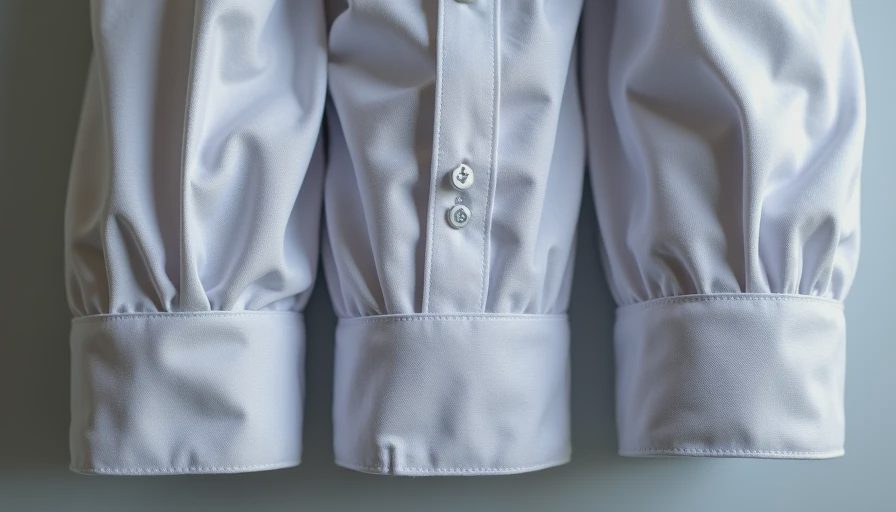
This is where the real differences emerged.
After five washes:
$30 shirt: Developed noticeable pilling around the underarms and collar. Seams started puckering. The fabric yellowed slightly and lost its crispness. One button became loose.
$150 shirt: Held up reasonably well. Minor wrinkling but recovered nicely after steaming. Fabric maintained good integrity with only slight fading.
$300 shirt: Still looked almost new. Beautiful recovery, no pilling, seams remained flat and strong. The fabric softened beautifully without losing structure.
Real Life Performance Across Contexts
Client Meetings & Professional Settings:
The $300 shirt won hands down. It looked sharp all day and projected quiet confidence. The $150 was acceptable but needed more touch-ups. The $30 version looked tired by midday.
School Pickup & Errands:
All three worked, but the cheaper one showed wrinkles and cheapness up close. The mid and high-tier looked intentionally casual.
Date Night / Elevated Casual:
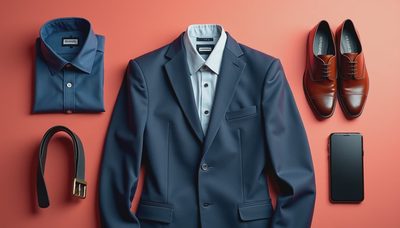
The $300 shirt elevated a simple outfit instantly. Paired with the navy blazer, it looked expensive and intentional.
Construction Details That Mattered Most
Seams & Stitching: The $300 had clean French seams and single-needle construction. The $30 had basic overlocking that frayed slightly.
Buttons & Buttonholes: Higher end had mother-of-pearl buttons and reinforced holes. Cheap version had plastic buttons that felt flimsy.
Collar & Cuffs: Big difference in stiffness and recovery. The premium one maintained its shape beautifully.
Fabric Quality: Long-staple cotton vs short fibers made a massive difference in how the shirts aged.
My Final Verdict & Recommendations
The $30 shirt: Fine for very occasional use or if you’re on an extremely tight budget. Don’t expect it to last more than one season of regular wear.
The $150 shirt: Sweet spot for most women building capsules. Good enough quality to earn its hanger and last multiple seasons with care.
The $300 shirt: Worth the investment if you wear white button-downs frequently. It will become a true wardrobe staple that lasts years.
My personal choice? One $300 shirt as my hero piece, supplemented with a couple $150 options for rotation.
The Bigger Lesson About Price Points
You don’t need everything at the highest tier. But understanding what you actually get for the money helps you allocate your budget wisely.
For pieces you wear constantly (like white button-downs), investing more pays off in longevity, appearance, and daily satisfaction. For trendier or less-used items, the middle or lower tier might be fine.
Every piece earns its hanger — and some pieces are worth paying more so they can earn it for many years.

No comments yet — be the first to share a thought.