The Rack Test That Saves Time and Money
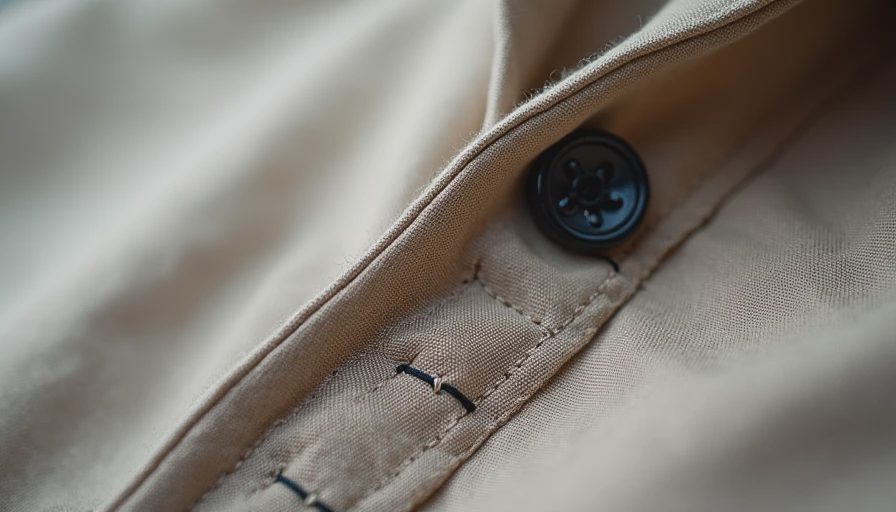
I can usually tell within 30 seconds whether a garment is worth trying on. The secret isn’t the fabric or the color — it’s the seams.
After years of designing and examining thousands of garments, these five seam details have become my non-negotiable quality indicators. They tell me more about how a piece will hold up and look over time than almost anything else.
1. French Seams or Cleanly Finished Edges
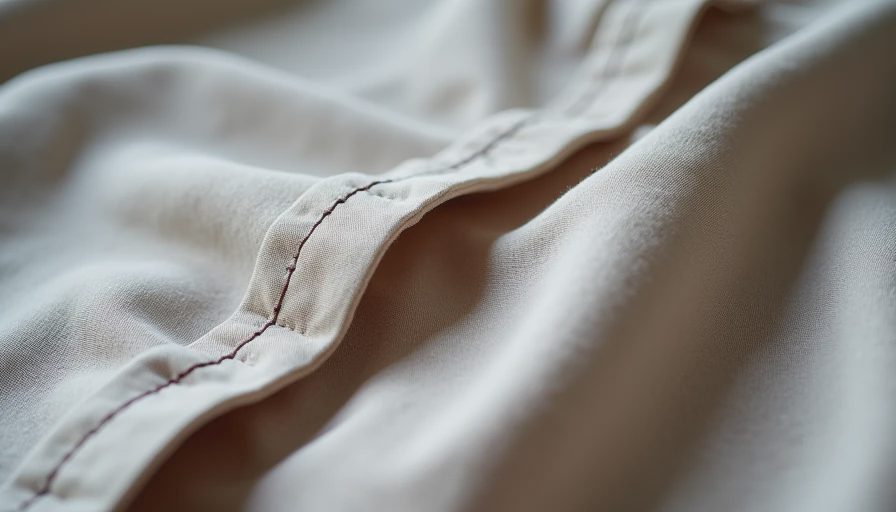
On the inside of a garment, look for French seams (where raw edges are enclosed) or at least cleanly finished edges.
Cheap construction often leaves raw, fraying edges or uses cheap overlocking that falls apart after washing. Quality pieces invest in proper finishing because they expect the garment to last.
I once found a beautiful silk blouse with perfect French seams on a sale rack. It’s still one of my favorites years later.
2. Flat-Felled Seams on Stress Areas
Look for flat-felled seams (like on jeans or shirts) on areas that get a lot of wear — shoulders, side seams, crotch.
These seams are stronger and lie flatter. They resist coming apart and look more polished. The presence of flat-felled seams usually signals that the brand cares about durability.
3. Single-Needle Stitching
High-quality shirts and blazers often use single-needle stitching, which creates a cleaner, stronger seam with better drape.
Double-needle stitching is faster and cheaper but can create bulk and less elegant lines. If I see evidence of careful single-needle work, I’m much more likely to try the piece on.
4. Consistent, Even Stitching
This seems basic, but it’s surprisingly revealing.
Stitch length should be consistent. No skipped stitches, no puckering, no loose threads. Good construction shows attention to detail even in places most people won’t see.
When I’m teaching clients, I always flip garments inside out. The inside tells the real story of how long something will last.
5. Reinforced Stress Points
Look for extra reinforcement at high-stress areas — buttonholes, pocket corners, sleeve attachments.
Quality brands add bar tacks or extra stitching where garments typically fail first. This small detail dramatically improves longevity.
How to Use These Checks in Practice
Next time you’re shopping:
Grab the garment and immediately check the inside seams
Feel for reinforcement and finishing quality
Tug gently on stress points
Only then try it on if it passes these tests
This habit has saved me from buying pieces that looked good but were poorly made. It’s also helped me find hidden gems on sale racks that had excellent construction despite lower prices.
Why Seams Matter for Your Capsule
In a smaller wardrobe, every piece needs to work harder and last longer. Strong seams are insurance for that.
The garments with these quality details become your reliable favorites — the ones that earn their hanger season after season.
Become Your Own Quality Detective
You don’t need to work in fashion design to make better choices. Learning to read seams is one of the most practical skills for building a wardrobe you love for years.
Every piece earns its hanger — and the best ones show their quality from the inside out.
Start checking seams on your next shopping trip. Your future closet will thank you.

No comments yet — be the first to share a thought.