Capsule clothing is not a punishment diet for your closet. It is a practical way to own fewer pieces that combine easily, fit your actual life, and earn their hanger. After seven years designing women's wear at J.Crew, I learned that a useful wardrobe is not built from a magical number of garments. It is built from proportion, fabric, color, and repetition that feels intentional rather than boring.
The goal is simple: get dressed for school drop-off, a client presentation, or dinner without opening three drawers and rejecting everything. A capsule can include denim, color, prints, sneakers, and the slightly impractical jacket you love. It does not require beige linen or a personality transplant. It requires knowing what you reach for and why.
What capsule clothing actually means
Capsule clothing is a coordinated group of garments designed to create multiple outfits. A compact wardrobe might include 25 to 40 main pieces for one season, while someone who works from home may need far fewer polished separates and more washable layers. There is no prize for reaching 30 items if you spend every morning frustrated.
Start by looking at your week, not at an influencer's grid. If Monday includes a school run, Tuesday includes an office meeting, and Saturday involves a muddy soccer field, your wardrobe needs different levels of structure. A navy merino cardigan can work over a silk shell for work and over a striped T-shirt for errands. Straight-leg jeans can meet ankle boots, loafers, or white leather sneakers. That is the useful kind of versatility.
I prefer to think in outfit families. Choose three bottoms, four tops, two layers, and two pairs of shoes that genuinely cooperate. Then add one dress or jumpsuit if your life calls for it. When every top works with at least two bottoms, you have a system instead of a pile of isolated purchases.
Choose a color structure before you shop
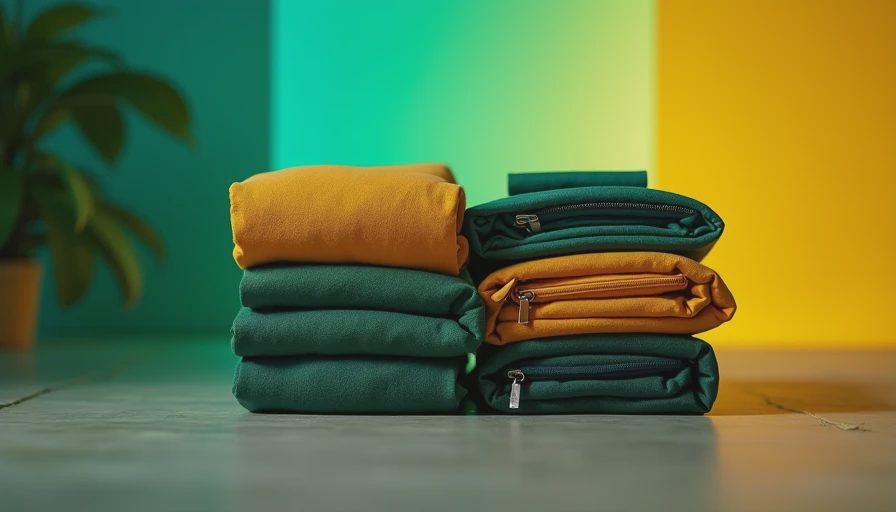
Color is the quiet engine of capsule clothing. Pick two base colors, two supporting neutrals, and one or two accents. My own Richmond wardrobe usually runs on navy and denim, with ivory and camel nearby, then a controlled hit of red or moss green. Black and charcoal work just as well if they suit your shoes and outerwear.
The base colors should appear in your most expensive or hardest-working pieces: trousers, jeans, a coat, and shoes. Supporting neutrals can live in knitwear and shirts. Accents belong in blouses, scarves, cardigans, or a patterned skirt. This arrangement prevents the familiar mistake of buying a beautiful rust sweater that matches nothing you own.
Color does not mean everything must match exactly. It means the undertones do not fight. A cool blue-gray trouser can look disconnected from warm tan shoes, while dark denim usually welcomes both. Hold a prospective purchase beside your coat and your everyday shoes before removing the tag. The five-minute test saves more money than a dramatic closet purge.
Inspect the garment like a designer
A capsule wardrobe exposes poor construction because you repeat the same pieces often. Look at the fabric content, seam allowance, closures, and recovery. A cotton shirt with a little elastane may resist wrinkling better than crisp 100 percent cotton, but too much stretch can make the collar collapse. A sweater with nylon blended into wool can improve durability; acrylic often feels soft at first and pills quickly under a tote strap.
For knitwear, pinch the fabric and release it. If the surface stays crushed or the knit stretches into a thin patch, leave it. Check whether the side seams twist and whether the sleeve hangs from the shoulder correctly. A $90 cardigan from Uniqlo can outperform a $250 fashion label if the yarn, gauge, and finishing are better suited to your routine.
For trousers, sit down, walk, and inspect the pocket opening. Pull lines across the hip usually signal a fit issue, not a body issue. A good tailor can adjust a hem or waistband for $15 to $40, but cannot rescue a rise that is fundamentally wrong. Fit is proportion in motion, not a static mirror pose.
Build around real outfit formulas
The strongest capsule clothing plan includes repeatable formulas. For a client meeting, try a fluid trouser, fine-gauge knit, structured jacket, and loafers. For school drop-off, use straight jeans, a washable T-shirt, a cardigan, and weather-ready sneakers. For dinner, swap the cardigan for a satin-finish blouse and change to a small heel or leather flat. The pieces stay familiar; the finish changes.
I keep a formula list in my phone because memory becomes unreliable at 7:18 a.m. One favorite is dark denim, striped knit, camel belt, and navy blazer. Another is wide-leg black trousers, fitted cotton tee, cropped jacket, and pointed flats. These are not uniforms in the dull sense. They are reliable proportions that leave room for earrings, lipstick, or a dramatic vintage bag.
Before buying anything, name three outfits using garments you already own. If you cannot, the item is probably asking your closet to become a different closet. I once bought a pale lilac skirt because the color looked wonderful on a showroom rack. It spent two years waiting for the right shoes and top. That was a design failure on my part, not a styling challenge.

Shop capsule clothing without starting over
You do not need to empty your closet and replace it in one expensive weekend. Begin with a two-week wear audit. Turn hangers backward or keep a note on your phone each time you wear something. Record the pieces you reach for, the pieces that need constant adjusting, and the gaps that create repeated shopping searches.
Replace the true workhorses first. If your jeans are uncomfortable, your everyday shoes are worn through, or your office trousers require emergency safety pins, those purchases will change your mornings immediately. Brands such as Madewell, Everlane, Banana Republic Factory, Quince, and J.Crew offer different price points for useful basics, but inspect each item rather than buying by label. A $40 tee is not a bargain if it twists after three washes.
Use a simple cost-per-wear thought experiment. A $180 blazer worn twice a month for three years costs about $2.50 per wear before cleaning. A $35 novelty top worn once costs the full $35. The math is not a moral scorecard; it is a way to see where quality and repetition matter most.
Maintain the system so it keeps working
Capsule clothing succeeds through maintenance, not willpower. Hang woven shirts and jackets, fold knits, and give shoes a rotation so leather can rest between wears. Use a fabric shaver carefully on pilling sweaters, wash dark denim inside out, and follow the care label instead of treating every garment like a towel.
Review the wardrobe at the change of season. Move genuinely weather-specific pieces into storage, but keep transitional layers accessible. A trench coat, cotton cardigan, ankle boot, and lightweight scarf often bridge more weeks than a closet full of single-purpose items. Repair a loose button immediately; tiny problems become reasons not to wear good clothes.
Most importantly, let the system change as your life changes. A new job, a move, children growing older, or a different commute can alter the proportions you need. The point is not permanent minimalism. The point is clarity. When you can see what works, shop with a list, and dress without negotiating with every hanger, your closet is doing its job. Every piece earns its hanger.



No comments yet — be the first to share a thought.