When women say cheap clothes, they usually mean one of two things: low price or low quality. I care about the first and refuse the second. In my closet and in client closets, budget pieces work best when the fabric, fit, and finishing are doing the heavy lifting. A $24 tee that hangs right can pull more weight than a $140 top with fussy trim and a weird neckline. If you are getting dressed for school drop-off, a client meeting, and dinner in the same day, you do not need a lot. You need pieces that look awake after a wash, hold their shape, and go with the rest of the drawer. Every piece earns its hanger.
How to spot cheap clothes that won't fall apart
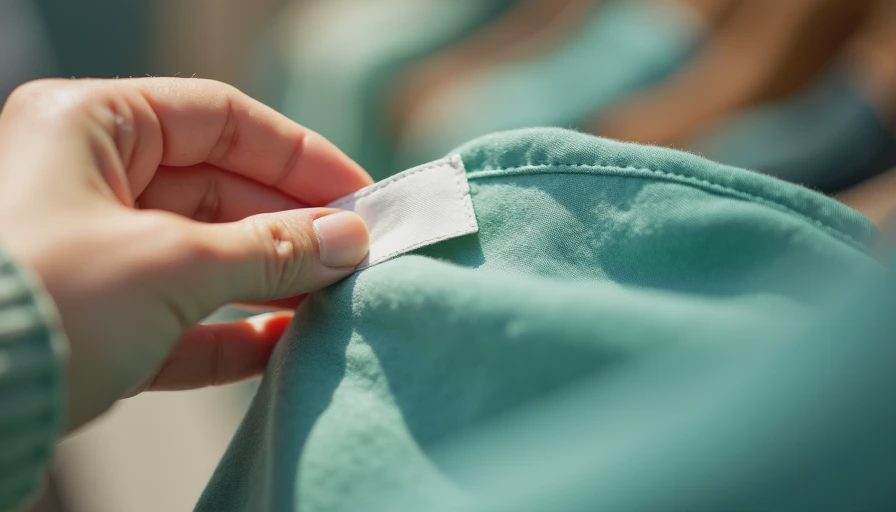
The first place I look is the fabric label. Cotton, linen, wool, and silk are not automatically better, but they usually give you a stronger starting point than mystery blends that feel slick in the store and tired after two washes. For tees, I like combed cotton or a cotton-modal blend with enough density that the shirt does not go see-through under office lighting. For sweaters, look for tighter knits and a clean neck edge, not a loose collar that stretches while you are putting on earrings. With cheap clothes, the stitching matters too: straight seams, matched stripes, finished hems, and buttons that are sewn on with a little room, not hanging by one thread.
I also check how the garment behaves in motion. Raise your arms. Sit down. Cross your legs. If the side seams twist, the waistband gaps, or the hem pulls into a smile across the hips, that piece will annoy you at 8 a.m. when you are already late. I learned this the hard way with a $29 blouse from a mall brand that looked crisp on the hanger and turned boxy on my body. It had pretty sleeves and zero substance. That is the difference between cheap clothes that earn repeat wear and cheap clothes that become laundry-day regret.
Where cheap clothes earn their keep
Some categories are safe bets because the design is simple and the construction can stay simple too. T-shirts, ribbed tanks, plain cardigans, denim, cotton poplin shirts, and knit dresses with clean lines are the places where I am happiest saving money. Uniqlo does this well in basics. Old Navy can be strong on denim and tees if you know your fit. Target's A New Day line often gives you a decent work blouse or straight-leg pant for under $40. Gap, J.Crew Factory, and Abercrombie all cycle through pieces that can work if the fabric is not too thin and the cut is straightforward.
What you want here is not a fashion miracle. You want a reliable layer that works with loafers on Monday and sneakers on Friday. I like a navy cardigan over a black tee, a white button-down under a blazer, or a straight-leg jean that sits cleanly at the ankle with flats. That is where cheap clothes pull ahead: they solve everyday dressing without demanding a whole new wardrobe.
Where to spend a little more
The trouble starts when the garment needs shape, weight, or engineering. Tailored trousers, unlined blazers, wool coats, and structured dresses are much harder to fake on the cheap. If you have ever owned a blazer that collapsed at the shoulder or a coat that felt warm in the fitting room and thin in January, you already know this. Better construction shows up in the chest canvas, the shoulder line, the lining, and the way the garment hangs instead of clinging.
I am not saying you need a luxury price tag. I am saying that some categories punish shortcuts. A good coat can cost $250 to $500 and still be worth it if you wear it five months a year. A blazer in the $150 range can be fine for occasional wear, but the moment you need it to work three days a week, you will notice the corners that were cut. I would rather buy one solid coat and wear it for six winters than buy three cheap ones that look tired by February. Cheap clothes are great when the structure is forgiving. When the structure is the whole point, spend more.
How to make budget pieces look intentional
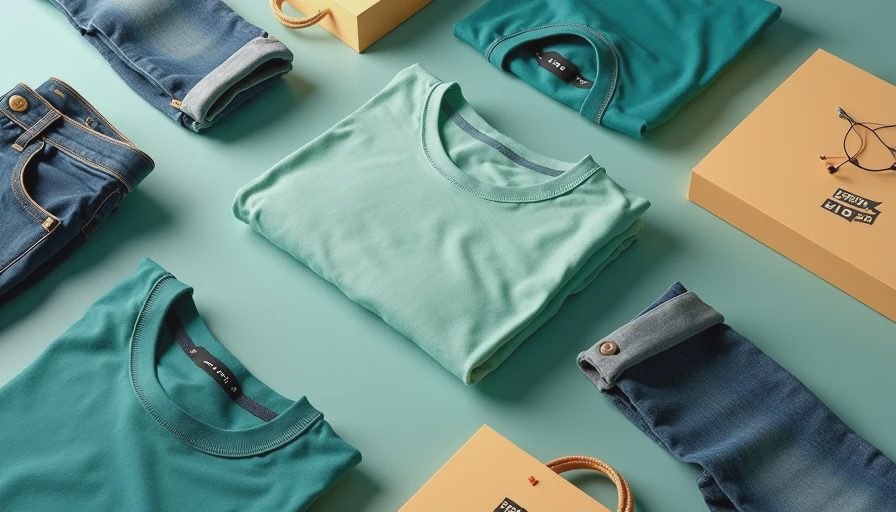
Color is the easiest place to edit. A small palette makes inexpensive clothes look more deliberate fast. If your closet lives in black, navy, white, camel, and one accent color, your $18 tee has more outfit partners and looks like it belongs there. Fit matters just as much. Hem pants so they hit the right spot on your ankle bone. Have sleeves shortened if the top is otherwise good. A $12 alteration can save a $48 trouser in a way no shopping spree can.
Texture helps too. A cotton tee looks better next to denim, leather, or a knit with some body than next to three other limp fabrics. That is why I keep a drawer of cheap clothes in the same color family and then mix in one sharper piece, like a leather belt, a better shoe, or a structured tote. Even on a school-run morning, that small contrast makes the outfit look considered instead of accidental.
I also steam more than I iron. Wrinkles are the quickest way to make a budget outfit look rushed. A $35 blouse with clean shoulders, a flat hem, and no trapped creases can look far better than a pricier top that spent the night in a heap.
A simple buying rule I use in my own closet
When I am standing in a dressing room, I ask one question: will this still make sense when I am getting dressed in a hurry next month? If the answer is yes, it can stay. If it only works with one very specific outfit, it is probably not earning enough space.
A practical example: I once built a week of outfits around a $24 Uniqlo tee, a $59 pair of straight jeans from Gap, a $38 cardigan from Target, and a $98 pair of loafers I already owned. None of those pieces was precious, but together they did the job for errands, a lunch meeting, and an after-school pickup. That is the real test. Cheap clothes should make life easier, not busier. If the piece needs constant fixing, special underwear, or a pep talk every time you put it on, put it back. If it layers cleanly, survives a wash, and works with what you already own, it earns its hanger and then some.


No comments yet — be the first to share a thought.