If you're reading this, you probably own a closet full of clothes and nothing to wear. I spent seven years designing women's wear at J.Crew, and the biggest lesson I brought home is that more pieces just mean more decisions. A minimalist wardrobe doesn't ask you to live with three T-shirts. It asks you to live with pieces that earn their hanger. This is the system I use with my clients in Richmond, and you can do it in a weekend.
Start With the Numbers, Not the Feelings
Before you pull anything out, count what you actually wear. For one week, put a safety pin on every hanger when you wear that garment. At the end of the week, the pieces with no pins are costing you closet space and money. Separate everything into four piles: keep, maybe, repair, and leave. The maybe pile is where we hide the clothes that don't fit the life we have. Be honest about your average week: school drop-off, client meetings, dinner with friends. If a piece isn't in that rotation, it has to fight for its spot. That doesn't mean throwing away your grandmother's silk blouse — decide whether it's a memory or an outfit. Every piece earns its hanger.
The numbers also reveal what you reach for in a rush. It's never the complicated piece. It's the soft sweater with the good shoulder. Invest in those. Knowing your real rotation turns capsule building into subtraction, not deprivation.
If you're not a list person, just do the safety-pin trick. It takes two minutes, and the visual proof is hard to argue with.
The Five Pieces Every Minimalist Wardrobe Needs
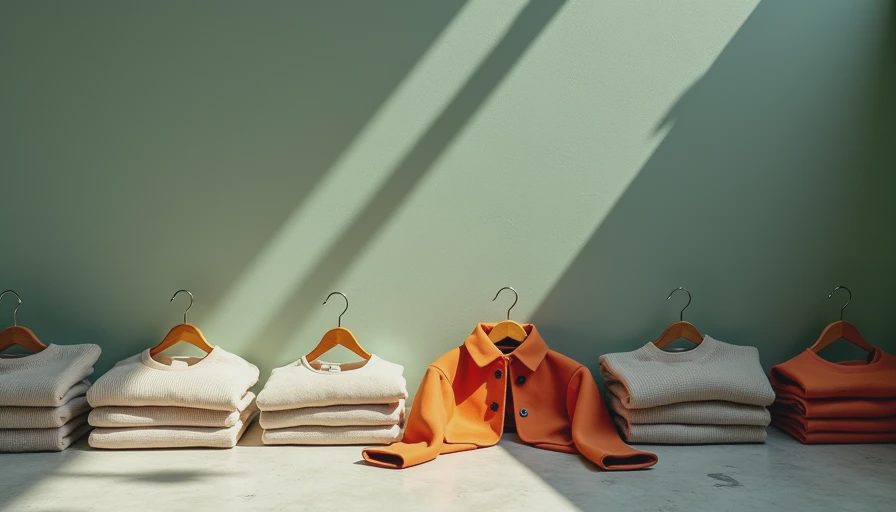
This is where my design training changes how you shop. You don't need a 37-piece capsule. You need five pieces that mix into at least ten real outfits: a white poplin shirt that isn't see-through, dark straight-leg jeans, a cashmere or merino crewneck, a well-cut blazer, and a midi skirt or tailored trousers. Every item has to work with at least two other things you already own. At J.Crew, I watched women call a blazer 'flattering' — I'd ask them to move their arms instead. The shoulder seam should sit where your shoulder ends, and the jeans rise should match how you bend to tie a shoe. Proportion matters more than the size on the label.
The white shirt could be Uniqlo's men's broadcloth oxford at $40. The jeans could be Levi's Wedgie or Mother's The Hustler. The sweater is where you can spend a little more — Quince's Mongolian cashmere or Eileen Fisher merino on sale. The blazer doesn't need to be new; vintage Brooks Brothers from eBay often beats the mall. A minimalist wardrobe doesn't mean a uniform, but it does mean repetition is okay.
What to Skip So Your Minimalist Wardrobe Stays Honest
Every capsule has a gravity problem — it starts strict and slowly absorbs impulse buys. Your minimalist wardrobe is not the place for novelty prints, statement sleeves you saw on Instagram, or anything you bought because it was on sale. A good test: if it doesn't work with two things you already own, it doesn't belong. I also tell clients to skip anything that requires a special wash cycle. I know myself: I will not hand-wash a silk blouse after a week of school pickup and pottery studio noise. Those pieces end up at the back of the closet with three dry-cleaning tags still on them. If you're not going to care for it, don't buy it. That's not moralizing about fabrics; it's just knowing your future self.

The Fabric and Fit Test That Saves You Money
Before you buy anything, do a two-minute fabric test. Hold the fabric up to light. Can you see a tight, consistent weave? Run your fingers over it. A good cotton poplin or wool crepe will feel smooth and dense; a cheap polyester blend will feel slick and grainy. Check the care label. If it says 'dry clean only,' ask yourself honestly if you're the person who actually takes things to the dry cleaner. I've seen a $25 Lands' End sweater outlast a $200 designer knit because the designer blend couldn't survive the washing machine. Fit test is equally practical. Sit down in the pants. Hug someone. Reach for the top shelf. If a garment fights your movement, it's not a good fit — it's a costume. The right fit is the one that disappears when you're wearing it.
How to Keep Your Minimalist Wardrobe From Boring You
People hear 'capsule' and picture a monk's closet. In practice, a small wardrobe can feel more expressive than a big one because every piece is visible. I keep a shelf of small accessories — 12 vintage bandanas from the Carytown thrift stores, a few pairs of stud earrings, two belts — and those are what make Monday feel different from Friday. The other trick is silhouette repetition. If you have three cashmere sweaters in navy, heather gray, and rust, you can wear the same jeans and shoes with each and still look intentional. The uniform isn't boring; it's the ultimate shortcut to getting dressed in five minutes.
The Real Cost of a Minimalist Wardrobe (and Why It's Worth It)
Let's talk money, because a minimalist wardrobe isn't a cheap stack of basics. Spending more per piece and less overall is the point. Most clients set aside between $800 and $1,500 to replace the 'maybe' pile with seven or eight pieces that will last five years. A $98 cotton sweater from Quince costs less per wear than a $30 one that pills by Christmas. A resoleable leather boot from Nisolo or Red Wing beats two pairs of synthetic boots that fall apart in a year. If you can't drop the whole budget at once, buy the jeans first, then the sweater, then the blazer. Every piece earns its hanger.




No comments yet — be the first to share a thought.