Popular clothing brands can be useful, but only if they solve an actual closet problem. I care less about whether a label is everywhere on Instagram and more about whether it can handle school drop-off, a client meeting, and dinner without asking for a full outfit change. The best ones usually have a clear lane: one does denim well, one does sweaters well, one does work pants without turning them into costume clothes. That is the whole game. Every piece earns its hanger.
What makes popular clothing brands earn a hanger
When I worked in design, we spent a ridiculous amount of time on things most shoppers never see: seam finishing, knit recovery, pocket placement, and whether a sleeve hangs straight after three washes. That is still how I judge popular clothing brands now. If the fabric pills fast, the zipper waves, or the neckline stretches out before you have finished a season, the brand does not matter much.
I start with fabric. A $28 cotton tee can be great if the knit is dense and the neck binding is clean. A $98 tee can be disappointing if it is tissue-thin and twists after one dry cycle. For sweaters, merino wool, cotton cashmere, and tightly spun blends usually hold shape better than loose acrylic. For pants, a small amount of elastane can be useful, but too much stretch turns trousers into leggings with a fly. Fit matters just as much. A good brand repeats its silhouettes so you know what to expect from one season to the next.
The brands people call classics usually earn that reputation by being predictable in the right ways. J.Crew tends to understand polished layering. Madewell usually knows denim and relaxed basics. Uniqlo is strong on simple tees, merino, and base layers. Banana Republic still does a decent job with office-friendly separates when the fabric weight is right. That is the kind of consistency that saves money over time.
The popular clothing brands I would test first
If you are trying to build a cleaner closet, I would not start with ten labels. I would start with three or four and learn their strengths. For me, popular clothing brands are most useful when they solve one category with enough reliability that you stop second-guessing every purchase.
J.Crew is still one of the easiest places to find a blazer, striped shirt, or cardigan that looks finished without feeling stiff. Madewell is better when you want straight jeans, easy tees, and casual jackets with a little structure. Uniqlo is hard to beat for layering tees, rib tanks, merino knits, and that useful $19.90 to $39.90 range that fills in the gaps. Banana Republic often works well for trousers, modern shirting, and office pieces if you want something between formal and too casual. Quince is worth a look for value-driven cashmere, silk, linen, and leather basics, though I do not reach for every knit there. Abercrombie has improved a lot on fit in jeans and casual separates, especially if you want a more modern waist rise or a less boxy tee.
That mix covers most real-life wardrobes without requiring you to buy into every trend cycle. 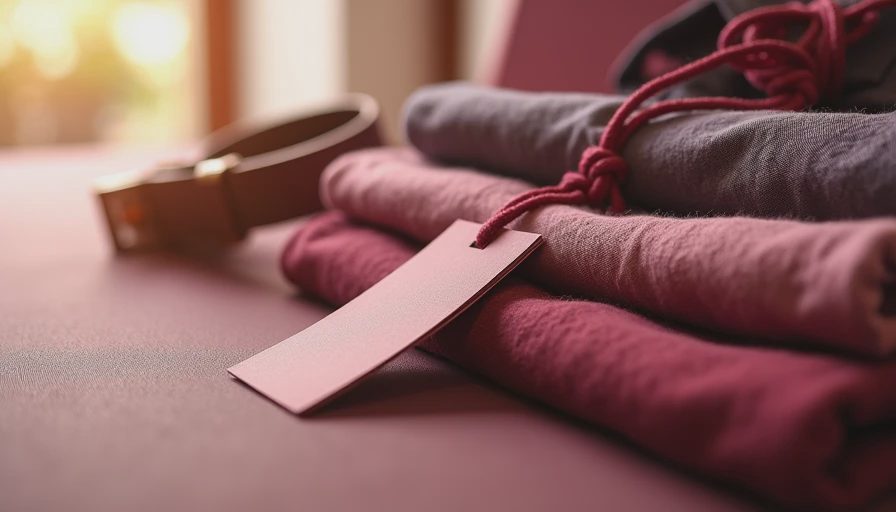
How to shop popular clothing brands without overbuying
The easiest way to waste money is to shop by brand first and need second. Instead, decide what job the garment has to do. If you need pants for a work trip, look for a midweight weave, a front closure that lies flat, and a rise that stays put when you sit down. If you need a weekend shirt, a cotton poplin or Oxford cloth will usually feel more useful than something decorative that wrinkles if you look at it wrong.
I tell clients to test popular clothing brands in the same order every time. Start with your hardest item to fit, usually jeans, trousers, or a blazer. Then try the brand’s best-known basic, like the tee or sweater it repeats every season. If both work, you have a lane. If one works and one does not, that is still useful information. You do not need to force a relationship with a label just because it has a good window display.
Pay attention to return windows, wash instructions, and price per wear. A $120 trouser that stays sharp for four years is cheaper than a $60 pair that sags after six months. That is not a moral argument. It is math.
Why popular clothing brands still need editing
The biggest mistake I see is assuming a famous label means a finished outfit. It does not. Even strong popular clothing brands tend to make some categories better than others. A brand can be excellent at knitwear and mediocre at pants, or great at casual shirts and weak on outerwear. That is normal. It is also why closets get bloated: a shopper trusts the logo instead of the garment.
I learned this the hard way with a client who had four beautiful tops, two expensive jackets, and almost no bottoms she actually wore. We kept the best top, replaced one jacket with a navy blazer from J.Crew, and added a pair of dark straight jeans from Madewell and a trouser from Banana Republic. Suddenly her wardrobe worked on a Tuesday morning, not just when she had time to think. That is the point of editing. You are not chasing perfection. You are building repeatable outfits.
If you like a brand, use it where it is strongest and ignore the rest. That keeps shopping calm and makes your closet more coherent.
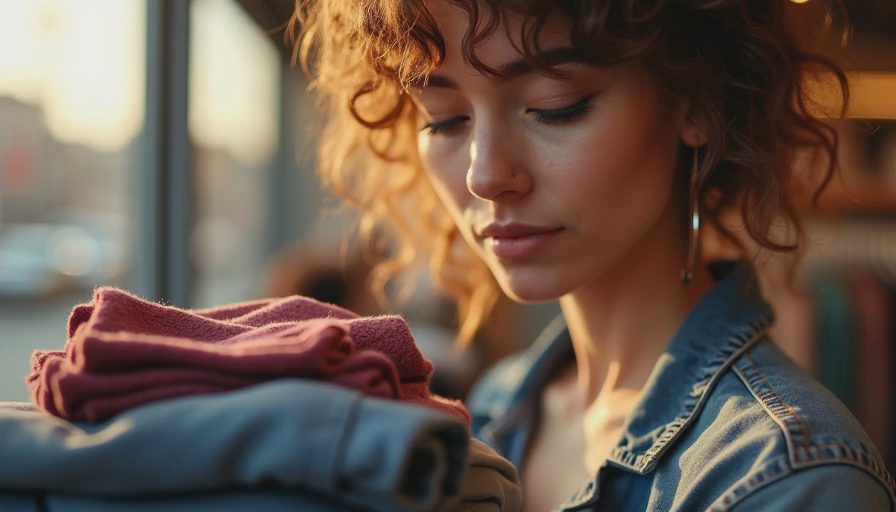
A simple brand map for a closet that works
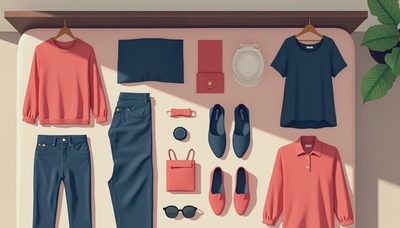
If I were starting from zero, I would build around a short list instead of browsing forever. One brand for denim, one for work pants, one for layering basics, one for polish. That might look like Madewell for jeans, Banana Republic for trousers, Uniqlo for tees and merino, and J.Crew for cardigans or blazers. You do not need all of them to be perfect. You need them to cooperate.
The women I work with usually feel relief when they stop trying to make every brand do every job. That is how a closet starts to feel smaller in a good way. You know which stores to check first. You know what silhouette you wear to death and what cut usually ends up on the donation pile. You stop paying for surprises.
If you are sorting through popular clothing brands and still ending up with a closet full of almost-right clothes, that is usually a fit problem, not a taste problem. Narrow your list, watch the fabric, and buy the pieces that can actually survive your week. That is how you get dressed faster and spend less doing it.

No comments yet — be the first to share a thought.