When I talk about sustainable fashion brands, I am not looking for sainthood. I am looking for clothes that keep their shape after school drop-off, a desk day, and a spin through the wash. A $140 sweater that pills immediately is not a win, and a $28 tee that disappears after six months is not either. The trick is learning to read labels the way a designer does: fiber first, construction second, marketing last. Every piece earns its hanger, and that rule saves more money than any slogan ever did.
How I judge sustainable fashion brands by the fabric tag
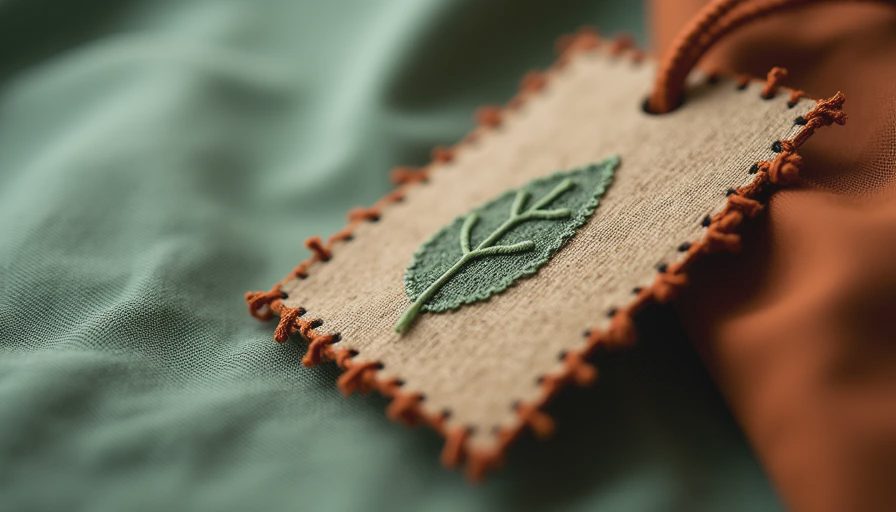
Start with the fiber content, because that tells you a lot about how the garment will behave. A dense cotton poplin shirt will usually hold a cleaner line than a flimsy rayon blouse that wrinkles if you look at it wrong. Wool, especially merino, tends to recover better than a loose synthetic knit, and a little cashmere can be lovely if the yarn is tight enough to resist pilling. I also pay attention to blends. A touch of elastane can help jeans keep their shape, but too much can make a tee feel tired fast. A 100 percent cotton tee at $38 can be a better buy than a $16 blend that twists at the side seam after two washes.
Why sustainable fashion brands still need good pattern making
The fabric matters, but so does the cut. At J.Crew, I spent years watching how a quarter inch in the shoulder or a slightly deeper armhole could change the whole attitude of a sweater. That is why I still notice seam placement, sleeve shape, and hem balance before I notice a logo or a label story. A blouse can be made from beautiful organic cotton and still pull across the bust if the darting is off. A cardigan can be made from a good yarn and still look sloppy if the cuffs are too wide or the front edge droops by lunch. Good pattern making is what makes an item easy to wear on a Tuesday morning and not just pretty on a hanger.
What repair, resale, and care tell you
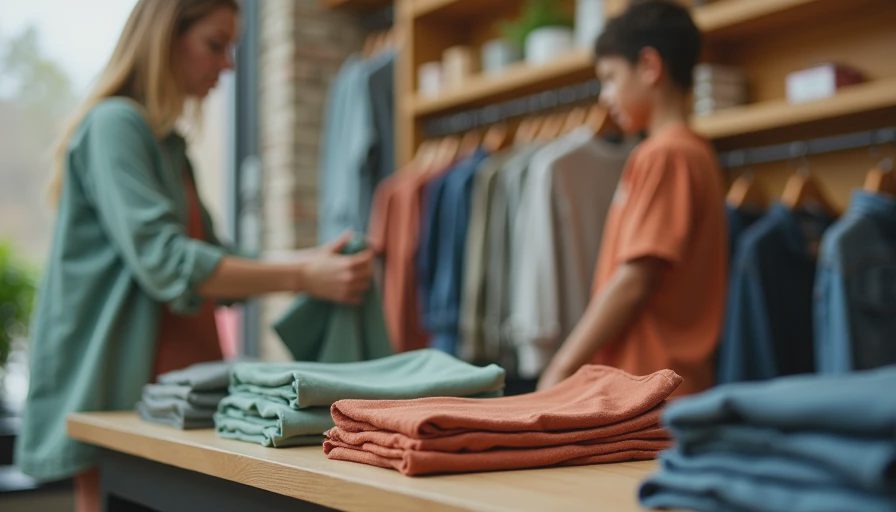
With sustainable fashion brands, I care less about the slogan and more about the proof. If a company has a repair page, a resale program, or a clear care guide, that tells me it expects the item to live a real life. Patagonia's Worn Wear and Eileen Fisher Renew are useful examples because they keep garments moving instead of pushing everything toward landfill. Even if you are shopping basic pieces from Quince or Pact, I want to see plain fiber content, honest care instructions, and a price that makes sense for the fabric. If a shirt needs dry cleaning every time, the real cost goes up fast, especially if you wear it once a week for work.
When the green label still hides a bad garment
The problem with some sustainable fashion brands is not the intention. It is that the garment was built to survive a headline, not a closet. Recycled polyester can still feel hot and clingy. Linen can still arrive thin enough to show every layer underneath. A blazer with cheap fusible interfacing can bubble at the lapel after one season, even if the website talks a good game about lower-impact materials. I would rather buy one $98 merino sweater from Everlane or one $150 cardigan from Cuyana than three $40 tops I never reach for. The better question is not whether the item sounds responsible; it is whether it will still look decent after twenty wears, two wash cycles, and one long afternoon at a client meeting.
A budget that makes sense for a small closet
You do not need to spend designer money to do this well. If your budget is $50 or less, I would look at secondhand racks, a sturdy tee, or a basic layer that fills a gap you already know about. Around $100, you can usually get one strong sweater, a button-front shirt, or a knit top that does school drop-off and dinner without changing clothes. At $250 and up, outerwear, tailoring, or a heavy cardigan starts to make more sense, because those are the pieces that get repeated all season. I like to think in cost per wear, but not in a preachy way. If a $180 jacket gets worn 45 times, that is a smarter buy than four trend pieces at $45 each that sit in the drawer.
The five questions I ask before checkout
Before I click buy, I ask whether the color works with at least three things I already own, whether I can wash it at home, whether the seams look neat inside, whether the fabric has enough weight to hang properly, and whether I would still wear it if no one else saw the label. That last one matters more than people admit. When a piece only feels exciting because the brand story is loud, it usually has a short life. When it fits well, launders cleanly, and earns repeat wear, it stops being a purchase and starts being part of the uniform.
If you want sustainable fashion brands to earn space in a small wardrobe, start with the fiber, then the seams, then the support behind the garment. That order has saved me more money than any trend ever did. Every piece earns its hanger.

No comments yet — be the first to share a thought.