The best closet ideas do not begin with buying matching velvet hangers or clearing out half your wardrobe on a Sunday afternoon. They begin with a more useful question: what do you actually need your clothes to do? In my Richmond wardrobe studio, I see women with plenty of clothing and nothing to wear because the pieces do not connect. A linen shirt works for vacation but not the office. A beautiful blazer has sleeves that fight every blouse. A pair of jeans is technically wearable but never feels right after school drop-off.
A working closet is a small system. It should help you dress for a client presentation, a grocery run, and dinner without requiring a fresh search every morning. These closet ideas focus on proportion, fabric, storage, and repeatable outfit formulas. Every piece earns its hanger.
Start with the life you actually dress for
Before measuring shelves, write down five real situations that fill your week. Mine would include school drop-off, a design consultation, pottery at the VCU studio, dinner with Chris, and a Saturday near the James River. Yours might include commuting, travel, remote meetings, or standing on a soccer sideline. The point is to build around your calendar rather than an imaginary version of yourself.
One of the most useful closet ideas is to count outfits, not garments. If you need four work outfits each week, start with two pairs of trousers, three tops, one cardigan, one jacket, and shoes that can handle the commute. A navy merino cardigan from Uniqlo or J.Crew can bridge denim and tailored pants. A cotton poplin shirt from Everlane or Gap can work under a jacket or open over a tank.
That small calculation exposes the real gaps. You might not need another dress; you might need a shoe that supports it. You may not need five more sweaters; you may need one fine-gauge knit that fits beneath your existing blazer.

Organize by outfit logic, not color alone
Color sorting looks tidy in photographs, but it can hide how clothes function. I prefer organizing the closet in zones: everyday tops, work layers, bottoms, dresses, and occasion pieces. Within each zone, group by weight and length. Put thin merino knits before chunky wool, and keep cropped jackets separate from long coats so hems remain visible.
This approach is among the most practical closet ideas because it speeds up decisions. When I am leaving for a 7:30 school drop-off, I can see my washable cotton shirts together rather than excavating one from a rainbow of hangers. For a client meeting, my jackets sit beside the trousers they regularly meet, which makes proportion easier to judge.
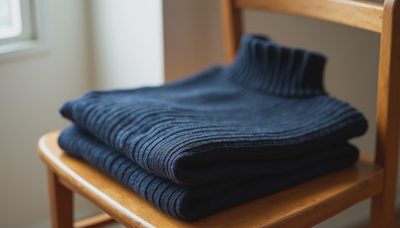
Use slim hangers for most woven tops, but avoid forcing heavy sweaters onto thin wire shapes. Fold cashmere, alpaca, and chunky knits on shelves or in drawers to protect the shoulders. Cedar blocks help with freshness, while breathable garment bags are better than plastic for wool coats and special-occasion dresses.
Build around three reliable outfit formulas
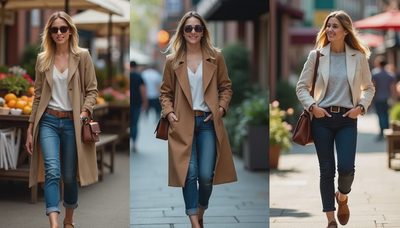
A closet becomes easier when you repeat formulas instead of inventing outfits from scratch. The first is a structured layer over a simple base: straight-leg jeans, a knit tee, and a blazer. The second is a column of one color interrupted by texture: black trousers, a black shell, and a camel cardigan. The third is a soft shirt with a sharper bottom: a silk-blend blouse, tailored pants, and loafers.
These are closet ideas, not rules. They give you a starting point when the laundry is unfinished or the weather changes by lunchtime. For example, a navy cotton sweater, cream jeans, and brown leather loafers can move from a Saturday coffee run to an informal dinner. Add a striped shirt beneath the sweater and the same pieces feel more deliberate without becoming fussy.
The designer’s detail is the third piece. A jacket, cardigan, belt, scarf, or substantial necklace often completes an outfit more effectively than another statement garment. The J.Crew Juliette cardigan, a vintage Brooks Brothers blazer, or a simple Madewell leather belt can all provide that finishing structure.

Inspect fit through movement and proportion
A fitting-room mirror only shows one frozen moment. Sit down, reach forward, raise your arms, and walk several steps. A jacket should not pull across the back when you reach for a steering wheel. Trouser pockets should lie flat while standing and sitting. A shirt cuff should remain visible beneath a jacket sleeve, but not so far that it looks accidental.
I also check the relationship between lengths. A cropped jacket ending near the top of a high-rise trouser creates a clear waist break. A longer cardigan over a narrow pant gives a different line. Neither is automatically better; the question is whether the proportions match the shape and movement you want.
These closet ideas save money because they prevent the common mistake of keeping a garment that is attractive on the hanger but awkward in use. A $40 alteration to shorten a sleeve can rescue a $180 jacket. A tailor cannot change a shoulder that is two sizes too broad, so learn which problems are fixable before removing the tags.
Make storage support your maintenance habits
Storage is not decoration. It affects how often you wear something and how long it lasts. Keep the clothes you reach for weekly between shoulder and eye level. Store formal pieces higher or farther back, but do not bury them so thoroughly that you forget they exist. If you work from home, keep a small rack or hook near the bedroom for pieces that need airing before they return to the closet.
Use drawer dividers for belts, tights, and camisoles. Keep a small repair kit nearby with matching thread, a needle, spare buttons, and a fabric shaver. A $15 battery-powered shaver can refresh a pilling sweater, although it cannot repair a weak fiber blend that pills after every wash. Wash cotton and wool according to the care label, and do not hang wet knits, which can stretch at the shoulders.
One of my favorite closet ideas is a three-item repair basket. Anything missing a button, needing a hem, or waiting for a trip to the dry cleaner goes there. Once the basket is full, handle every item in one errand. This keeps small maintenance jobs from becoming a pile of clothes you no longer trust.
Edit with a clear test, not a guilt trip
Hold each garment against your current wardrobe and ask three direct questions: Can I name two outfits with it? Does it suit the life I lead this month? Would I choose it over a similar piece already here? If the answer is no to all three, it has not earned the hanger.
That does not mean every item must be practical. A silk dress for an annual dinner can stay if it fits, feels good to wear, and serves a real occasion. A dramatic vintage jacket can stay if it gives ordinary jeans a reason to exist. The standard is usefulness, not frequency alone.
These closet ideas work best when you revisit them twice a year, not every time social media announces a new aesthetic. Photograph combinations you love, note alterations that would improve daily wear, and make a short shopping list based on actual gaps. A $90 merino sweater that completes six outfits is a better purchase than three trend pieces still wearing their tags. Start with one drawer, one zone, or one outfit formula this week. A closet does not need to be enormous or perfect; it needs to make getting dressed feel possible.


No comments yet — be the first to share a thought.