Contemporary minimalism clothing is not about dressing like a museum display or wearing ten identical beige things and calling it style. It is about a closet that looks calm, pulls together fast, and still feels current when you are racing to school drop-off, sitting through a client meeting, or meeting friends for dinner. The goal is not less for the sake of less. The goal is clothes that cooperate.
When I was designing women's wear at J.Crew, the best pieces were never the loudest. They were the ones with the right shoulder line, the right drape, and enough structure to survive a long day. That is the standard I use now. If a sweater pills in three washes or a trouser twists around your leg by noon, it does not belong in a lean wardrobe, no matter how pretty it looked on the hanger. Every piece earns its hanger.
What contemporary minimalism clothing looks like in a real closet
Start with a palette that does some of the work for you. Navy, black, ivory, stone, chocolate, and soft gray are easy to mix, but the more important rule is repetition. If you love a crisp white shirt, buy one great version and wear it with straight jeans, a slip skirt, and tailored pants instead of hunting for six different statement tops. That is how the closet starts to feel edited instead of empty.
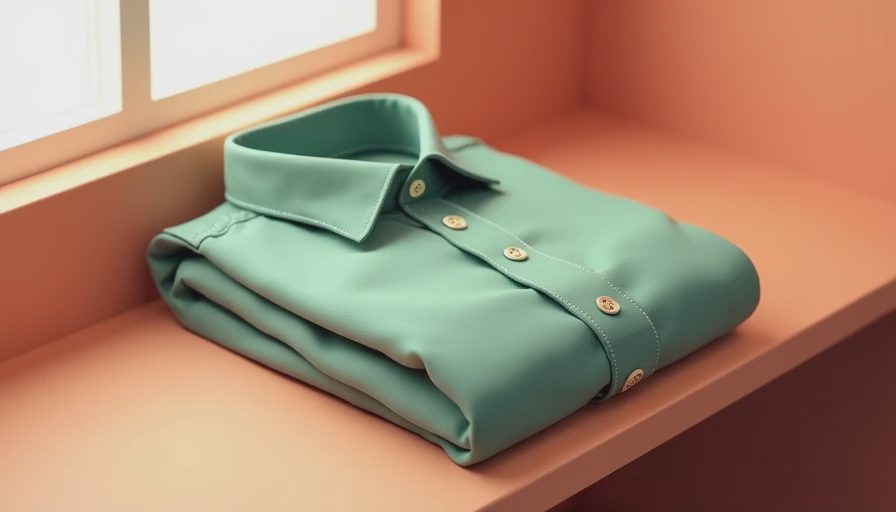
The silhouettes should be simple, but not flat. A boxy tee from COS, a clean button-front from Everlane, a knit polo from J.Crew, and a straight-leg jean from Levi's can all live together if the proportions are sane. A fitted top with wide trousers. A shorter cardigan over a longer tank. A coat that hits mid-thigh instead of cutting your outfit in half. The trick is enough shape to create interest without adding noise.
This is also where contemporary minimalism clothing separates from lazy basics. A plain tee is not automatically good. I want a neckline that sits where it should, sleeves that do not flare weirdly, and fabric that holds color after a few cycles through the wash. A $38 Uniqlo tee in Supima cotton often beats a $120 designer version if the cheaper one keeps its neck and the more expensive one starts to wave at the collar.
The fabrics and fits that make contemporary minimalism clothing hold up
Fabric is where most people waste money. If you want a small wardrobe to work hard, look for cotton poplin, midweight jersey, merino wool, ponte, denim with a little stretch, and linen blends that do not collapse into wrinkled lint after one lunch. Pure linen has charm, but I would rather buy a linen-cotton blend if you need it to look decent after a day in the car and at a desk.
Fit matters more than trend. A shoulder seam should sit at the edge of the shoulder, not halfway down the arm. Pants should skim the body without pulling at the zipper. If the rise is too low or the seat is too tight, you will spend the whole day adjusting instead of living. I have seen women spend $200 on a trouser from Banana Republic, then ignore the $12 hemming bill that would have made it look like it was made for them.
For knits, I like merino blends over acrylic when the budget allows, because they breathe better and hold shape longer. For woven shirts, a dense cotton poplin from J.Crew Factory or Madewell can look sharper than something much pricier if the collar stands up and the cuffs have enough body. For dresses, ponte and double-knit fabrics are useful because they smooth the line without getting clingy. That is the point: easy care, reliable drape, no drama.
Outfit formulas that make mornings easier
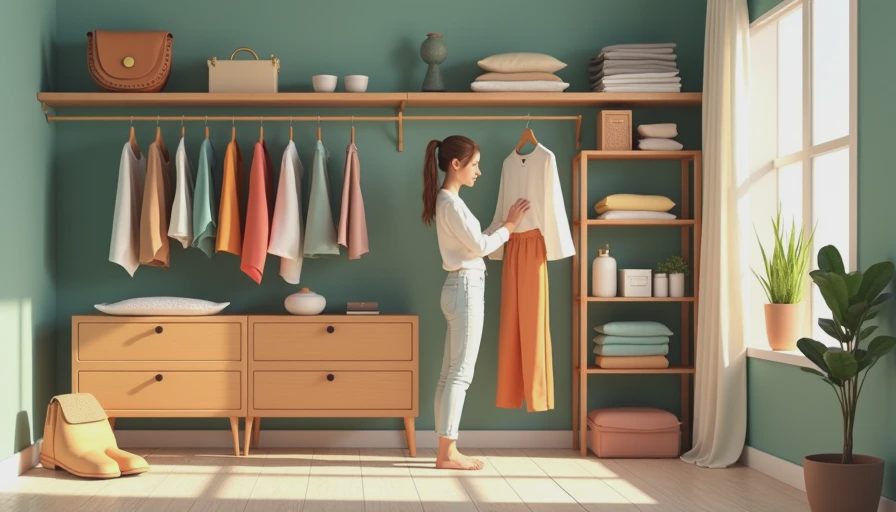
Once the pieces are right, the outfits build themselves. For a workday, I like a straight or slightly wide trouser with a tucked knit and a structured jacket. For school drop-off, swap the trouser for dark denim and keep the jacket or add a clean trench. For dinner, the same trouser can work with a silk tank and low block heel. You do not need a new identity for every plan on your calendar.
This is where contemporary minimalism clothing pays rent. A black cardigan from Quince, ivory trousers from Theory if you want to spend more, and loafers from Sam Edelman can all play in the same outfit family. If you want to look finished with very little thought, repeat the formula and change one thing at a time: the shoe, the bag, or the outer layer. That is enough to move from errands to dinner without starting over.
Color also helps. A column of one color, especially black, navy, or chocolate, always looks intentional. If head-to-toe dark feels too severe, break it with ivory sneakers, a tan belt, or a light scarf. The point is not to erase personality. It is to keep the outfit from arguing with itself.
Where to spend, where to save, and what to skip
Spend on the pieces that touch your day the most: trousers, a coat, shoes, and a great bra-friendly top. Save on simple tees, tanks, and layering basics if the fabric is solid and the fit is honest. I would rather have one $180 coat from J.Crew that works for five winters than three cheap coats that lose their shape after one season. Same with shoes. A sleek leather loafer or ankle boot in the $120 to $250 range is usually where comfort and polish meet.
Skip anything that looks minimal only because it is bland. A closet full of shapeless black boxes is not a strategy. Look for a detail that does some quiet work, like a deep cuff, a clean dart, a sharp V-neck, or a hem that lands in the right place. That is what keeps the outfit from feeling generic.
A small capsule that still feels current next year
If you are building from scratch, think in anchors: two tees, two woven tops, one cardigan, one blazer or jacket, two pants, one jean, one dress, one coat, and shoes that can handle your real life. Then test each piece against your week. Can it go from laptop to grocery store to dinner without looking tired? If not, it is taking up space for no reason.
Contemporary minimalism clothing works best when you treat it like editing, not deprivation. You are not trying to own the least. You are trying to own the right things, in the right cuts, in colors that talk to each other. That is how a closet gets easier every month instead of more complicated. And once you feel that shift, you stop shopping for novelty and start buying with a purpose. That is the whole game.



No comments yet — be the first to share a thought.