The best closet organizer ideas are not about buying a wall of matching acrylic boxes. They are about making your actual wardrobe visible, reachable, and easy to use on a Tuesday morning when someone needs a permission slip signed and you have eight minutes to get dressed. After years designing women's clothing, I have learned that a closet works best when it supports the clothes you wear, not an imaginary version of your life.
Every piece earns its hanger. That means your storage should make good clothes easier to see and worn-out clothes harder to ignore. Start with a realistic inventory, then build zones around your habits.
Start With Zones, Not Shopping
One of the most useful closet organizer ideas is dividing the space by dressing task rather than by whatever empty shelf happens to be available. Create a daily clothing zone for work trousers, jeans, knit tops, shirts, and the jacket you reach for repeatedly. Keep occasion dresses, ski layers, and sentimental college sweatshirts somewhere less prime.
For a small reach-in closet, reserve the center at eye level for current rotation pieces. Put shoes on the floor or a low rack, and use the highest shelf for luggage or off-season items. If you work from home three days a week, your soft trousers and washable sweaters should not be buried behind formalwear.
A simple zone might run from left to right: dresses, jackets, tops, bottoms, then an open section for an outfit in progress. That order follows how many people get dressed and prevents the familiar pile of abandoned options on a chair. Good closet organizer ideas reduce decisions before the coffee is ready.
Edit Before You Add Storage
A container cannot solve a clothing problem. It can only make the problem rectangular. Before buying anything, remove pieces that are damaged beyond repair, uncomfortable in a way tailoring cannot fix, or disconnected from your current week. You do not need to create a minimalist wardrobe. You do need to stop giving prime space to clothes that make you negotiate with yourself.
Try everything that remains, including the black pants you keep saving for a hypothetical presentation. Check the waistband, rise, sleeve length, fabric recovery, and whether the garment works with at least two outfits. A polyester blouse that clings at the armhole will not become useful because it is expensive. A cotton-poplin shirt with a good shoulder seam might earn its space for years.
One of my favorite closet organizer ideas is a temporary holding bag. Put uncertain items in a sealed garment bag with the date written on a note. If you do not look for something in six months, you have useful evidence. That is different from guilt, and evidence is much better at editing a wardrobe.
Choose Hangers That Match the Garments
Uniform hangers look tidy, but the right shape matters more than visual perfection. Thin velvet hangers save space for blouses and lightweight knits, while sturdy wood hangers suit jackets and structured coats. Avoid hanging heavy sweaters on narrow shoulders; the weight can stretch the shoulder line and create bumps that pressing will not fully remove.
For slippery camisoles and silk dresses, use velvet or rubberized straps with a secure notch. For trousers, a clamp hanger can leave marks if it grips delicate fabric too tightly. Fold denim, ponte pants, and chunky sweaters instead of forcing them onto hangers. A shelf that is 12 inches deep is usually enough for a stable stack without hiding everything behind the front row.
Use one hanger direction and leave a little breathing room between garments. If the rod is packed so tightly that you must shove hangers sideways, you will forget what is there. The strongest closet organizer ideas improve visibility first and capacity second.
Make Drawers Work Harder
Drawers should hold categories that benefit from folding, not become a textile junk drawer. Use small adjustable dividers for socks, tights, underwear, and camisoles. Fold T-shirts vertically so you can see the neckline and color at a glance rather than pulling out the top four shirts to reach the one you want.
This is especially helpful for knitwear. A merino crewneck from Uniqlo, a cotton cardigan from Everlane, and a cashmere sweater from Quince can look nearly identical when stacked in a dark drawer. Vertical folding lets you distinguish them without unfolding a whole pile. Keep the pieces you wear every week in the top drawers and reserve lower drawers for sleepwear or seasonal items.
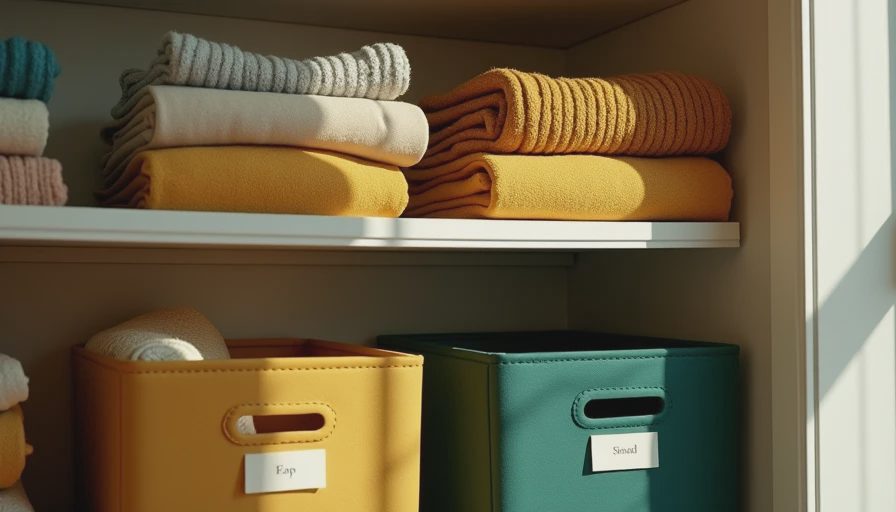
If you have deep shelves but no drawers, inexpensive fabric bins can create the same structure. Label them by use rather than vague categories: weekend layers, cold-weather accessories, and travel basics are more useful than miscellaneous. The best closet organizer ideas make putting clothes away as easy as taking them out.

Use the Door, Wall, and Floor Intentionally
The back of a closet door is valuable real estate, especially in a rental or narrow reach-in. An over-the-door rack can hold belts, scarves, small handbags, or baseball caps. Choose one with padded hooks if the door is painted or hollow, and avoid loading it with heavy shoes that make the door sag.
A low shoe rack keeps everyday pairs visible and protects them from becoming a heap. Leave tall boots upright with boot shapers or rolled magazine pages, and place formal shoes higher or farther back. For handbags, shelf dividers are better than stuffing them into one another; crushed leather and bent corners are expensive to reverse.
Hooks are useful when they are assigned a job. Install two near the entry for tomorrow's outfit or the jacket you are wearing this week. Do not create a permanent chair-shaped closet beside your closet. One controlled landing spot is helpful; an entire second wardrobe on a bedroom chair is a sign that the main system is asking too much of you.
Build a Five-Minute Reset
A closet stays organized through a small routine, not a heroic Saturday overhaul. At the end of the week, return shoes to their zone, refold anything that slipped, and move unworn seasonal pieces to the correct shelf. Turn hangers backward after laundry day, then reverse them once an item is worn. In a month or two, the untouched garments will be obvious without a dramatic purge.
Keep a small repair pouch nearby with a lint brush, fabric shaver, safety pins, and a measuring tape. Pilling on an acrylic-blend sweater does not always mean it is finished, and a loose button is a five-minute repair when you can find the needle. If a hem, zipper, or lining needs professional work, place the garment in a labeled tote by the door instead of returning it to the closet.
The most practical closet organizer ideas create a clear next action. You should know where clean clothes go, where repairs wait, and where donations leave the house. Once the system fits your real mornings, getting dressed becomes less like shopping in a dark store and more like using a well-designed tool. That is the point: not a perfect closet, but one where every piece earns its hanger.



No comments yet — be the first to share a thought.