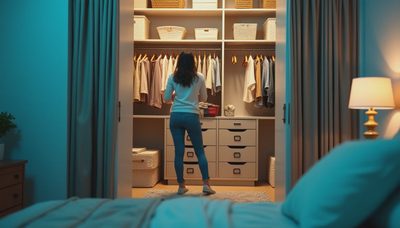
The best walk in closet ideas are not about building a showroom for clothes you rarely wear. They are about making your real wardrobe visible, reachable, and useful on a Tuesday morning when school drop-off starts in twenty minutes. I have designed clothing for a living, and the same principle applies to storage: every piece earns its hanger. A beautiful closet that hides your black trousers behind three rows of sweaters is not working hard enough.
Start with the wardrobe, not the shelves
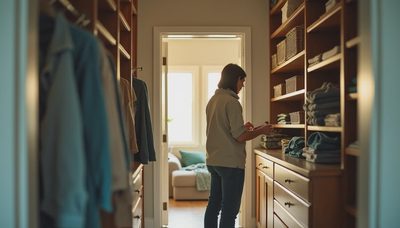
Before measuring for cabinetry, take everything out. Put workwear, weekend clothing, occasion pieces, shoes, bags, and accessories in separate groups. Do not use the closet as a museum for clothes that no longer fit your life. If you work from home most days, your hanging space should reflect that reality. If you walk several miles on weekends, your shoes need a clear, reachable home.
I use a simple three-question test: Have I worn it in the past year? Does it fit my current routine? Would I choose it over something similar? A yes to the first question is not enough. My own closet once held four nearly identical navy cardigans because I liked the idea of being a cardigan person. In practice, I wore two. The other two were expensive shelf decorations.
Once the edit is complete, count what remains. A typical working wardrobe might need two long-hang sections, three or four double-hang sections, a bank of drawers, and one shelf for bags or folded denim. Your measurements should follow your clothing, not an aspirational boutique display.

Build zones around how you get dressed
One of the most practical walk in closet ideas is arranging the room in dressing zones. Put everyday tops, trousers, and jackets together at eye level. Keep less frequent items, such as velvet dinner dresses or ski layers, higher or farther back. Place shoes near the exit if you often decide on footwear after getting dressed.
A useful layout might include a daily zone, a work zone, and a special-occasion zone. The daily zone could hold cotton tees, washable knits, jeans, and the sneakers you actually wear. The work zone might pair blazers with trousers and skirts so a complete outfit is visible in one glance. This reduces the morning hunt through unrelated categories.
For double-hang sections, leave roughly 40 inches below the upper rod for shirts and jackets, with another 40 inches underneath for folded trousers or skirts on hangers. Long dresses and coats need closer to 60 inches. These numbers are guidelines, not commandments; measure your longest garment before ordering anything from California Closets, The Container Store, or a local cabinetmaker.
Choose storage that respects fabric
Wire shelving is affordable and easy to install, but it can leave ridges in fine knits and allow small accessories to fall through. Laminate shelves cost more but create a smoother surface for cashmere, merino, and silk. If you prefer drawers, reserve them for soft items that benefit from being folded: tees, underwear, workout clothes, and lightweight sweaters.
Do not stack folded clothing in towers taller than about ten inches. The bottom pieces become invisible, and you will pull out half the stack to reach a favorite crewneck. A shallow drawer or two short stacks usually performs better than one deep column. For knitwear, fold along the shoulder line rather than hanging it; a hanger can stretch the fabric and create bumps at the sleeve head.
I also like one open shelf at waist height for the current rotation. In winter, it holds wool trousers and chunky sweaters. In summer, it can hold linen shirts and sandals. A closet should be able to change without a full reorganization every three months.
Treat lighting as part of the design
Bad lighting is why many closets feel less useful than they are. A single ceiling fixture throws shadows across shelves and makes navy, black, and charcoal look interchangeable. Install bright, neutral lighting if possible, ideally with fixtures inside or beneath shelving. LED strip lights can work well when they are positioned toward the front edge rather than buried at the back.
Color temperature matters. Very warm bulbs can make cream look yellow and brown look red. A neutral white bulb around 3000 to 4000 Kelvin gives a more reliable view of clothing without making the room feel like a retail fitting room. Add a lighted mirror near the doorway so you can check proportions before leaving.
If electrical work is not practical, use rechargeable motion-sensor lights under shelves. They are especially helpful in rental homes and usually cost less than a major built-in upgrade. The goal is simple: see the garment, see the color, and see whether the outfit works before you walk into daylight.

Make accessories visible without making clutter
Accessories disappear when they are stored in deep bins. Use shallow trays for belts, scarves, and sunglasses, with dividers that keep small items from becoming one tangled mass. A series of hooks on the side of a cabinet is useful for tomorrow's outfit, a tote bag, or the belt you want to remember.
For handbags, avoid piling them on the floor. Shelf dividers keep leather totes upright, while small bags can sit inside larger ones with tissue paper or a soft insert. Do not overstuff structured leather; pressure can distort the shape. Brands such as Cuyana and Longchamp offer bags that are easy to store because their silhouettes are relatively simple, but the storage rule applies to any price point.
Shoes need air and visibility. Adjustable shelves are more useful than fixed cubbies because boots, loafers, and sneakers do not share the same height. Keep pairs together, and place the shoes you wear most between knee and hip level. A clear box is only helpful if you will actually replace the shoe after wearing it.
Use walk in closet ideas for a smaller room
You do not need a mansion-sized room for an effective dressing space. In a narrow closet, use one wall for hanging and the opposite wall for shallow shelves no deeper than 12 to 14 inches. A full-depth cabinet across from hanging clothes can make the room feel blocked and force you to turn sideways.
A pocket door or curtain can save swing space. If the ceiling is high, use the upper area for luggage, holiday clothing, or spare bedding, but label every container. Clear bins are useful for seeing contents, while opaque bins protect delicate items from light. A folding step stool belongs inside the closet, not in a hallway where you will ignore it.
For a shared closet, divide space by category rather than assuming each person needs an identical half. One person may need more long-hang room; another may need shelves for folded athletic clothing. Equal square footage is less important than usable square footage.
Finish with a maintenance routine
Even the smartest walk in closet ideas fail if the room becomes a holding pen. Once a month, return misplaced items, empty pockets, and move laundry that has been sitting on the chair. Twice a year, check whether your storage still matches your routine. A new job, a change in climate, or a growing collection of shoes can alter the balance.
Keep one donation bag nearby, but do not make every closet session a moral referendum on consumption. The question is practical: does this garment earn its space, and can you style it with what you already own? When you buy something new, give it a specific home before it enters the room. If there is no space, something else needs editing.
My favorite walk in closet ideas are the ones that remove friction: a complete outfit in one zone, soft knits folded correctly, shoes where you can see them, and lighting that tells the truth. You do not need custom walnut cabinetry or a celebrity-scale island. You need a room that understands your life and helps you get dressed for it.

No comments yet — be the first to share a thought.