When I say eco cotton clothes, I do not mean a closet full of saintly basics you baby forever. I mean cotton pieces that wear well, wash well, and still look useful after school drop-off, a client meeting, and a dinner where you forgot to change. A good tee, shirt, or pant in cotton has to earn its hanger in the real world: it needs enough body to hold shape, enough softness to move, and enough structure to look intentional with denim, trousers, or a blazer. That is the bar.
Why eco cotton clothes belong in a small, smart closet
I keep coming back to cotton because it does three jobs at once. It can be casual in a crewneck tee, polished in a poplin button-down, and sturdy in a chino or utility skirt. Unlike synthetics that can cling or go shiny fast, cotton usually gives you cleaner lines, which matters when your week moves from laptop to cafeteria to date night. In a capsule wardrobe, that versatility matters more than a dramatic sustainability label. If the fabric is well made, the piece will work with what you already own instead of asking for a whole new aesthetic.
How to shop eco cotton clothes without paying for a label
Read the fiber content first, not the marketing copy. Organic cotton tells you how the crop was grown, but it does not guarantee a dense knit, a good hand, or long life. I look for ring-spun or combed cotton when I want a smoother tee, and I pay attention to weight: a flimsy $18 shirt can twist after two washes, while a $32 one with a tighter knit can hold its shape for years. If there is 3 to 5 percent elastane in a rib tank or knit dress, that can help recovery. On woven pieces, I want less stretch and better tailoring. Poplin, Oxford, and twill all have different personalities.
The best eco cotton clothes are the pieces that solve more than one outfit problem. A slightly boxy tee can sit under a cardigan without bunching. A crisp shirt can be half-tucked for the office, then worn open over a tank on Saturday. A straight-leg cotton pant can look sharp enough for a parent-teacher meeting and relaxed enough for grocery runs. If a fabric feels paper-thin in the fitting room, it will not improve at home. I would rather buy one shirt that hangs cleanly than three cheap ones that pull, twist, and need constant fussing.
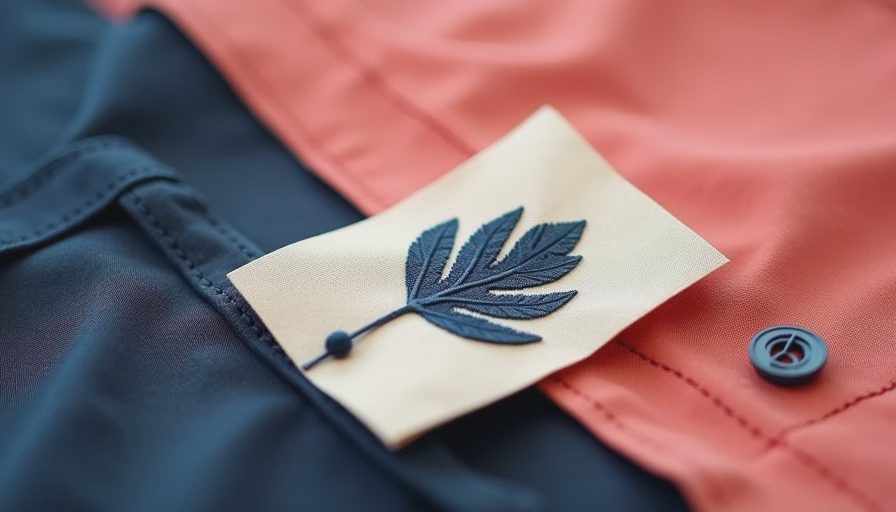
The pieces that earn their hanger fastest
The boring pieces are the ones that save you. A plain white or heather gray tee, a crisp button-down, a long-sleeve layer, and a relaxed pant will do more work than a novelty print ever will. In my closet, a cotton tee from Uniqlo U in the low $20s has outlasted pricier options because the neckline stayed put. A J.Crew or Alex Mill poplin shirt in the $90 to $130 range can look sharp with straight jeans or over a tank. If you want one easy upgrade for work, start there. If you want weekend ease, a cotton sweatshirt with a substantial rib trim is worth more than another thin fleece.
For women who want fewer decisions, shape matters more than trend. A tee with a slightly longer sleeve can feel more polished under a jacket. A shirt with a back yoke and enough room through the shoulder blades will drape better when you sit at a desk all day. A cotton pant with a clean front and no extra cargo pockets can move from sneakers to loafers without a costume change. That is why I like pieces that are plain enough to repeat, but well cut enough that no one notices the repetition.
Care that keeps cotton from looking tired
This is where a lot of perfectly good garments get wrecked. Wash cold, skip heavy fabric softener, and use a lower spin if your machine allows it. Heat is what shrinks collars and makes seams wave. I turn most tees inside out and hang woven shirts to dry until they are barely damp, then finish them flat or on a hanger so the placket stays straight. A sweater shaver can fix pilling on sturdy knits, but it cannot rescue a loose weave that was doomed from the start. If you spend $40 on a tee and treat it like a gym rag, the tee loses. Simple as that.
I also sort by weight, not just color. Heavier cottons can handle a little more agitation than delicate poplin, but even then, a gentle cycle is usually enough. Zippers and Velcro can rough up the fabric, so I wash those items separately. If you line-dry shirts in the bathroom or on a rack by a window, press the collar and cuffs with your hands before they dry fully. That tiny bit of attention keeps the piece looking like clothing instead of laundry.
Where to spend and where to save
If you want eco cotton clothes without a lot of guesswork, start with the brands that already make a decent tee in a standard color palette. Uniqlo U is usually the value play for dense tees and sweatshirts. Everlane and Madewell sit a little higher, often in the $30 to $60 tee range and the $80 to $130 shirt range, with cleaner basics that fit a city closet. Quince is the place people mention for lower sticker prices, though I still inspect the knit and finishing. Buck Mason does excellent heavyweight cotton tees, usually pricier but substantial. The point is not to worship a logo. It is to know which racks are likely to have fabric that behaves.
I do not think every closet needs the same shopping strategy. If you wear tees hard, buy the best tee first. If you live in button-downs, spend there. If you need clothes that work for travel, school pickup, and dinner in one day, choose fabrics that recover after sitting in a car seat or under a tote bag. A $28 tee can be the smarter buy than an $88 one if the cheaper version has better stitch density and a stronger neckline.
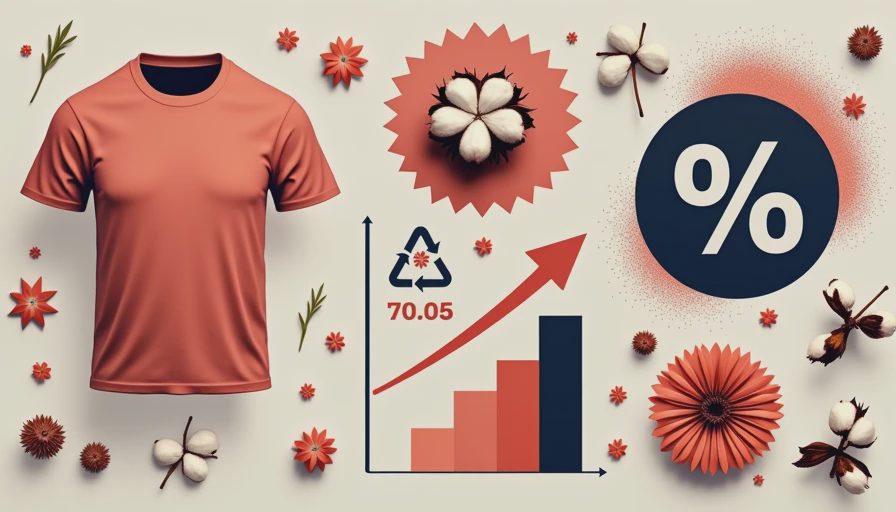
A quick fitting-room test before you cut the tags
Stand in natural light, raise your arms, and sit down if you can. A tee should not ride up to your ribs; a shirt should not pull across the back when you reach for a bag; a pant should sit smoothly at the rise without bagging by lunch. Check the shoulder seam first, then the neckline, then the side seams. If the seam is drifting down your arm, the garment was cut too wide. If the collar is bacon-curling on day one, pass. A good buy does not need constant defending.
The mistakes I would skip
I skip anything that is sold as eco but feels thin, overly shiny, or overwashed. I also skip tees with neck ribbing so narrow it folds over itself, and button-downs with tiny buttons that gap at the bust or chest. If a cotton skirt or pant needs constant ironing to look alive, it is not earning its hanger for a busy week. The best basics are not precious. They just recover well.
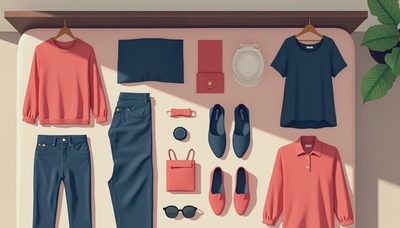
If your closet is thin on basics, buy one tee, one woven shirt, and one layer in the same color family so everything can mix immediately. That is how a small wardrobe starts working instead of just looking virtuous on a hanger. I would rather see a woman own three cotton pieces she wears twice a week than nine pieces that never leave the drawer. For anyone trying to build eco cotton clothes into a real-life wardrobe, the test is simple: does it earn its hanger on a Tuesday, not just on a vacation? If yes, keep going. If not, leave it on the rack and wait for a better version. Every piece earns its hanger.


No comments yet — be the first to share a thought.