Natural fiber clothing is what I reach for when a closet has to work on a Tuesday, not just in a fitting room. A cotton shirt, a wool sweater, a linen trouser, a silk shell: these are the pieces that behave better when you sit at a desk, chase a kid, or peel off a blazer in a warm conference room. They are not magic, and they are not automatically better than every blend. But when you want clothes that breathe, hold shape, and age with a little grace, this is where I start. Every piece earns its hanger, and the fiber content tells you a lot before you even touch the fabric.
What counts as natural fiber clothing
The easy answer is this: cotton, linen, wool, silk, hemp, alpaca, cashmere, and mohair all come from plants or animals. That does not mean every piece is equal. A thin cotton jersey tee and a dense cotton poplin shirt behave differently because the knit or weave changes the whole garment. A 100 percent linen shirt will wrinkle more than a cotton-linen blend, but it will also feel cooler in July. A merino sweater from J.Crew or Everlane can look tidy enough for school drop-off and still layer under a coat in January.
What does not count? Rayon, viscose, and modal are made from wood pulp, so they are often grouped with natural fibers in casual conversation, but they are processed fabrics, not true natural fibers. That distinction matters when you are paying for hand feel, drape, and wash life. If you are shopping thoughtfully, read the tag instead of the hanger story. I care less about a romantic label and more about whether the garment is built to get worn twenty times without turning into regret.
Why the fabric matters in a real week
I reach for natural fiber clothing when a piece has to survive school drop-off, a hot car, and a dinner table without looking limp. Polyester can be fine in small doses, especially in activewear, but a blouse that is mostly synthetic often traps heat and starts to shine in the wrong places by noon. Cotton and linen breathe. Wool regulates temperature better than most people expect, which is why a lightweight merino sweater works in an office that cannot decide between arctic and tropical. Silk feels better against skin than a scratchy polyester satin and usually looks richer in real life.
That is not a moral argument. It is a wear test. If a fabric feels sticky in the dressing room, it will not feel better after three hours of actual life. I have had plenty of pieces that looked smart on a hanger and then fought with me the minute I sat down. The ones that stay in rotation are the ones I stop noticing after the first ten minutes.
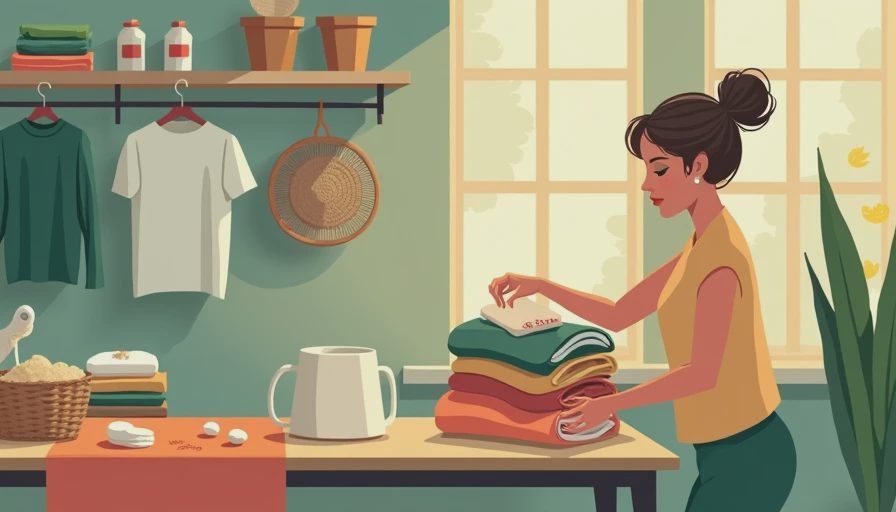
How to read a label without getting tricked
The front of the garment is for marketing. The inside label is where the truth lives. Start with the fiber percentage. If the tag says 60 percent cotton and 40 percent polyester, you are buying a synthetic-forward garment with a cotton face, not a cotton shirt that just happens to have some stretch. That can still be a smart buy, especially for kids’ basics or travel pieces, but it should not be priced like a pure fabric.
Look at the construction next. A $48 cotton tee from Buck Mason or J.Crew may cost more than a three-pack from Target because the yarn is denser, the neck binding is better, and the shirt keeps its shape longer. On the other hand, a $150 sweater is not automatically better than a $90 one if the knit is loose and the seams twist after one wash. Fabric weight, finishing, and stitching matter just as much as fiber content. If you can, pull the garment slightly and see whether it snaps back or goes slack. I also look at seam finishing, because a clean interior usually tells you the maker cared where it counted.
The best natural fiber clothing buys for a smaller closet
If I were building from scratch, I would start with pieces that solve the most problems. A cotton poplin button-down covers work, dinner, and under-a-sweater layering. A merino cardigan handles air conditioning and fall weather. A linen shirt or trouser gives you summer relief without looking like resort wear. For weekends, a heavyweight cotton tee from Everlane or Uniqlo holds its shape better than the flimsy version you bought in a panic at checkout.
This is where budget matters in a practical way. Quince has made a business out of lower-price cashmere, silk, and linen. J.Crew, Madewell, Eileen Fisher, and Frank & Eileen usually sit higher, but the better pieces can earn their cost if you wear them twice a week. I would rather buy one $128 wool sweater that pills slowly than three $40 sweaters that turn tired before Thanksgiving. The same goes for denim: mostly cotton, a touch of elastane if you need it, and enough weight that the knees do not give up early.
For a real wardrobe, context matters. On a Tuesday with carpool, a cotton oxford hides wrinkles better than silk. For a client meeting, merino under a blazer keeps body heat down without the static you get from cheaper synthetics. For date night, a silk camisole under a cardigan is easier on the skin than a glossy poly satin top, and it photographs better under restaurant lighting. I like pieces that move from one setting to another without a costume change.
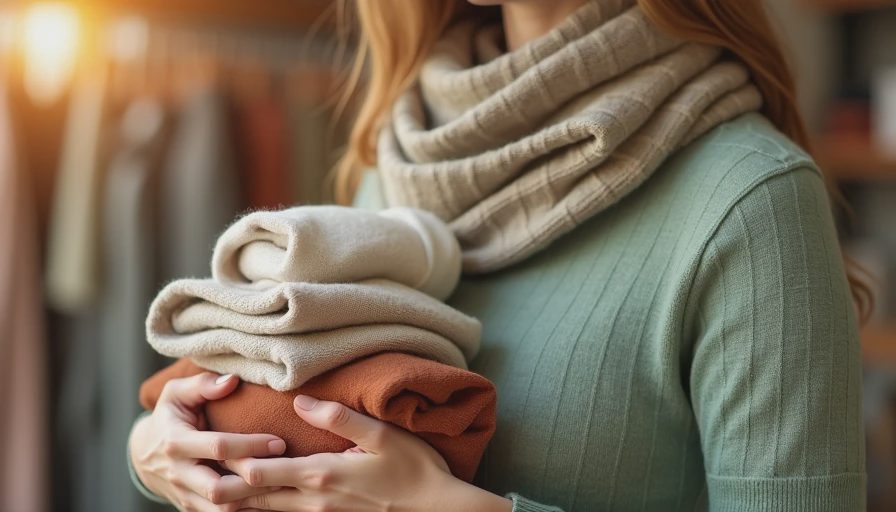
Care that keeps the good stuff in rotation
The fastest way to waste money is to buy a good fabric and then launder it badly. Cold water is your friend for most cottons and linens. Wool usually wants a gentle cycle or hand wash, then a flat dry, not a hot dryer that shrinks the sleeve and warps the shoulder. Silk likes cool water and a little respect. If a care tag looks fussy, that does not mean the item is fragile; it means the maker expects you to treat it like clothing instead of laundry.
Steam helps more than iron if you want a crisp look without overprocessing the fabric. A handheld steamer is useful for linen shirts, and a sweater comb can rescue merino before pilling gets out of hand. If something needs dry cleaning every single wear, I want to know why before I buy it. Most of the time, natural fiber clothing performs best when you keep the cleaning simple and the storage breathable. A cedar block, a shelf with some air, and a little patience will do more than another plastic bin.
A buying rule I actually trust
When I am helping someone edit a closet, I do not start with trends. I start with how many times a piece will get worn in a month. If the answer is four or more, the fabric has to be comfortable, easy to care for, and good enough to survive repeats. That is where natural fiber clothing earns its place. It gives you shirts that do not cling in June, sweaters that layer in January, and trousers that look finished instead of synthetic and shiny under office lights.
If you are replacing one category, start with tees, then shirts, then one sweater that works with your jeans and your work pants. A solid white cotton shirt, a merino layer, a linen summer piece, and one great wool sweater will do more for your closet than a stack of forgettable blends. That is the whole game. Every piece earns its hanger, and natural fiber clothing is usually where that sentence starts to make sense.



No comments yet — be the first to share a thought.