Skip the listicle telling you to own 37 identical white tees. I spent seven years designing knitwear at J.Crew, and the biggest lesson I brought back to Richmond is that minimalist style is not about owning less. It's about owning the right things and wearing them. In my consulting work, I've edited closets for moms, executives, and teachers. They all had plenty of clothes. What they lacked was a system for deciding what stays and what goes. This guide gives you that system, with a plain-spoken approach to minimalist style that works with your life.
The Real Definition
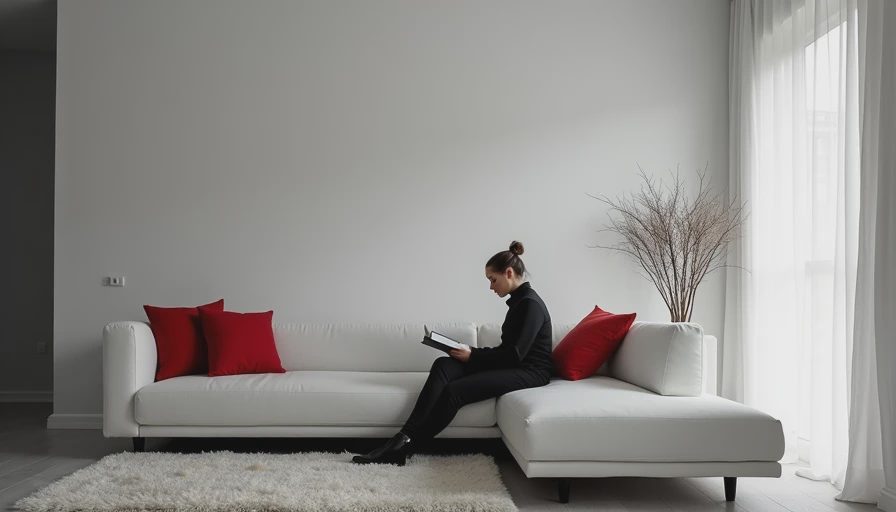
When most people picture minimalist style, they imagine a stark white apartment and a closet full of beige cashmere. That's a look, not a philosophy. Real minimalist style means every piece earns its hanger. It means you can reach into your closet, grab anything, and know it pairs with three other things you own. It doesn't mean stripping out color or personality. It means volume drops and quality rises.
I won't moralize about fast fashion. You don't need to burn your wardrobe and start over with a $5,000 budget. This approach adapts to any price point. The goal is to stop buying duplicates and start buying pieces that serve multiple situations. When I work with clients, we start with a single week of your life, not a Pinterest board. That's how you make it stick.
The Two-Question Test That Edits Everything
Here's the first thing I do with a new client: pull everything out of the closet and pile it on the bed. Then I sort into three piles — keep, mending, and go. The keep pile has to pass two tests. First, does it fit right now, not some fantasy version of next summer? Second, would you buy it again tomorrow at the price you paid? If the answer is no, it goes. This sounds harsh, but it's the fastest way to see what you're actually wearing.
The clothes that make the cut share the same features: natural fibers, a shape that follows your body, and a color that pairs with at least two other items in the pile. When you build from that foundation, minimalist style becomes a byproduct of good choices, not a constraint. I had a client with a navy blazer from J.Crew that she'd stopped wearing because she didn't like her shoulders in it. We paid $45 to have the shoulders re-tailored, and now she wears it twice a week. That's editing, not shopping.
Six Questions to Ask Before You Buy Anything
I keep a list by my dresser. Before I buy anything, I ask:
- Does this go with three things I own?
- Is it comfortable enough for a school drop-off and a client meeting?
- Does it fit the body I have today?
- Would I still wear it when the next trend hits?
- Is the fabric worth the price?
- Do I already own something that does the same job?
If you answer no to more than one, it doesn't earn its hanger. This is the practical core of building a capsule wardrobe. Last spring, I almost bought a striped boatneck from a vintage shop on Cary Street because it reminded me of the 1990s J.Crew bins. I owned three striped tops already. My checklist stopped me.
How to Shop Without Losing Your Personality
Minimalist style doesn't mean wearing all beige. You can wear all black and still have a personality. My own closet is mostly neutrals — ivory, navy, olive, plus an occasional rust cashmere — but my daughter Maya once said I have "sneaky color." That's because I layer a bright silk scarf or a pair of red suede loafers over a neutral base. That gives you room to let one small thing speak.
When you shop, buy the best you can afford in the pieces you touch every day: jeans, knits, outerwear. I'd rather you spend $150 on a merino crewneck that survives ten years than $40 on a polyester blend that pills after four washes. Look at the seam finishing, feel the weight, stretch the fabric. You don't need a design degree to spot quality — you need to slow down. And don't assume expensive means good. I once bought a printed silk dress from a boutique in Carytown that looked gorgeous in the store, but the dye faded after one season. It didn't earn its hanger.
For Real Life: School Drop-offs and Client Calls
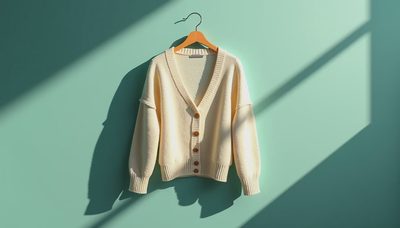
Minimalist style has to work in the car line, not just on Instagram. My uniform for a busy Tuesday: the same dark-wash jeans, a cream cotton sweater, and ankle boots. If I have a client call, I swap the sweater for an oxford shirt and add a belt. Nobody at the office knows I've been wearing the same trousers since 2019, because they're well made and fit correctly. That's the secret — when your basics are strong, your outfits look intentional.
I have a client who teaches high school history, just like my husband Chris. She thought she needed a "work wardrobe" and a "weekend wardrobe." We cut it down to one capsule that works for both. Now she buys one or two quality pieces a season instead of six cheap ones. That's not minimalism for minimalism's sake — that's buying back your Sunday evenings. This stops being a buzzword and starts being a life hack. You know what you own and why you own it. You don't stand in front of the closet feeling anxious, because every hanger holds a piece you chose on purpose.

No comments yet — be the first to share a thought.