When I shop for a closet that has to work on school drop-off, at a client meeting, and again at dinner, I pay close attention to cotton clothing made in usa. Not because the label is magic, and not because every domestic garment is better, but because the fabric, stitching, and fit are easier to judge when the maker is closer to the sewing floor. If you have ever bought a tee that twisted after two washes or a button-down that went limp at the elbows, you already know the difference between a shirt that looks fine on the hanger and one that earns its hanger.
Why cotton still earns a place in a modern closet
Cotton is still the workhorse fabric for a reason. It breathes better than most synthetics, it takes color well, and it usually feels less fussy against the skin. For everyday clothes, that matters. A good cotton tee under a blazer looks clean at 8 a.m. and still looks decent after a coffee run, a laptop haul, and a playground detour. A good cotton poplin shirt can do the same job with more structure.
The trick is that cotton is not one thing. A lightweight jersey tee will drape differently than a 6-ounce heavyweight knit. A brushed cotton twill overshirt will wear differently than crisp broadcloth. When I touch fabric, I am looking for recovery, even yarn tension, and whether the seams were finished in a way that suggests the piece was built for repeat wear instead of one pretty photo. That is why I pay attention to cotton clothing made in usa when I am comparing basics. The label does not guarantee quality, but it gives me a better starting point.
What cotton clothing made in usa really costs
Price is where people get nervous, and fair enough. A basic imported tee can be $12 to $25, while a better domestic tee often lands closer to $35 to $70. Sweatshirts can run from about $80 to $140. Woven tops and shirting usually start around $60 and climb from there. That is not cheap, but it is also not luxury markup for the sake of it.
American Giant makes heavyweight basics that usually sit in the middle of that range, and the heft is part of the appeal if you hate see-through fabric. Los Angeles Apparel is often lower on price, with tees and tanks that can feel like a smarter buy if you want a sturdy everyday layer. Harvest & Mill is worth a look if you care about organic cotton and simple shapes. Hackwith Design House sits higher, but the cuts can be excellent if you need something with a little more shape than a straight box.
For me, the question is not whether a shirt is expensive. It is whether the cost per wear makes sense when you wear it twice a week for two years instead of replacing it every season.
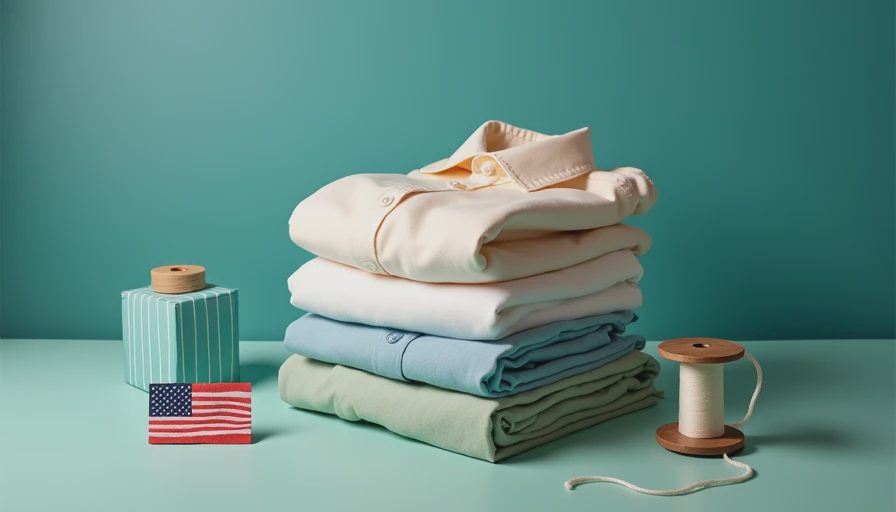
How to read the label without getting fooled
Made in USA is a useful phrase, but it is not the whole story. A garment can be cut and sewn in the United States while the fiber, yarn, or fabric came from somewhere else. That is legal and common. If you want a cleaner cotton story, look for U.S.-grown cotton on the hangtag or product page. You may also see terms like ring-spun, combed, or garment-dyed. Those do not automatically mean better, but they often signal more attention to the fabric and finish.
I also check weight and content. A 100 percent cotton tee around 5.5 to 7 ounces usually has more body than a flimsy 4-ounce version. A cotton-modal blend may drape beautifully and feel softer on the first wear, but if you want a crisp layer that holds its shape under a cardigan or denim jacket, plain cotton often wins. If the listing hides those details, I keep scrolling. Good makers usually tell you what the fabric is and what the garment weighs.
Why cotton clothing made in usa can fit better than you expect
Fit starts with patterning, not just size labels. I have tried on plenty of imported basics that were technically the right size but sat strangely in the shoulder or gaped at the neck after one wash. Domestic makers often have more control over small changes, so a crewneck can sit a half-inch higher, a sleeve can hit the upper arm cleanly, or a shirt body can skim without clinging.
That matters in real life. If you need a top that works for school drop-off and then a late meeting, you want a neckline that does not collapse, a shoulder seam that stays put, and a hem that does not flare weirdly when you tuck it. Cotton clothing made in usa can absolutely miss on fit too, especially if the brand leans oversized without enough shape, but when it is done well, you feel it immediately. It looks calm. It does not need rescuing with pins or steam.
Where I would start shopping first
If you want a practical starting point, I would build around tees, tanks, popovers, and sweatshirts before you spend on anything fancy. That is where cotton earns the most mileage. A black or navy tee from a brand like American Giant or Los Angeles Apparel can replace three cheap ones. A crisp white shirt from a smaller label can pull double duty with jeans and trousers. A sweatshirt in a dense cotton fleece can survive years of travel days, cold offices, and weekend soccer sidelines.
I would also pay attention to color. Deep navy, heather gray, optic white, and faded olive usually wear better than trendy colors that date fast. If the item is meant to be tucked, check the hem. If it is meant to be layered, check whether the neckline sits flat. These are small things, but they decide whether a piece stays in rotation or gets shoved to the back of the drawer.
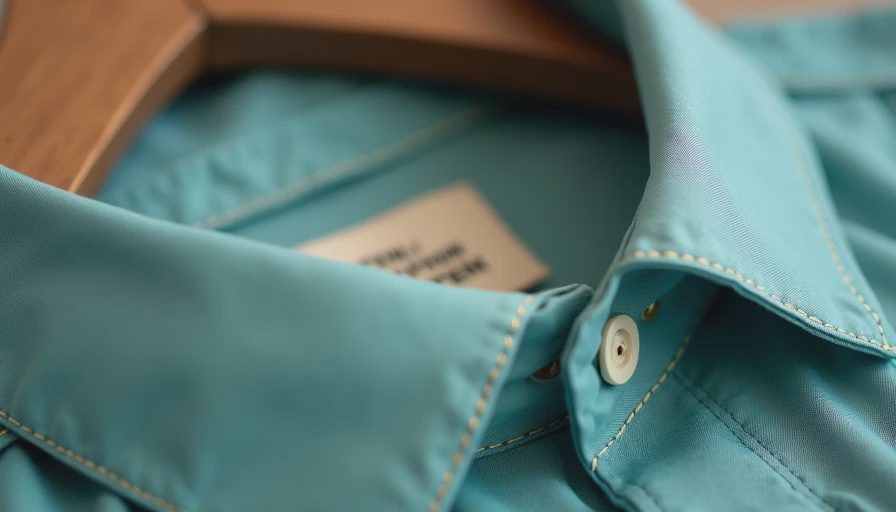
My quick test before I click buy
I use the same test whether I am standing in a shop or shopping online. First, I look for the exact fiber content. Second, I check the construction notes: double-needle hems, flat seams, reinforced plackets, or ribbing that looks dense instead of flimsy. Third, I read the return policy before I get attached. A good return window matters when you are trying a new brand and do not know how it runs.
Then I picture the actual outfit. Would this work with straight-leg jeans on a Saturday, or under a blazer for a Tuesday presentation? Would I still want it after three washes? If the answer is yes, I keep going. If not, I move on without guilt. A closet does not need volume; it needs pieces that pull their weight.
If you are building from scratch, start with one excellent tee and one excellent woven shirt. Wash them twice. Wear them hard. That will tell you more than a dozen product photos ever will. Cotton clothing made in usa is not about buying more. It is about buying with clearer eyes, so every piece earns its hanger.


No comments yet — be the first to share a thought.