If you keep reaching for 100 cotton wear because it feels honest on the rack and easier in the wash, you are not wrong. Cotton can breathe, hold shape better than flimsy synthetics, and take a beating in real life. The trick is knowing which pieces deserve a spot in your closet and which ones will twist, shrink, or get limp at the elbows after two school-drop-off runs and one dryer cycle. I spent years staring at fabric swatches under office lights, and the difference between good 100 cotton wear and cheap 100 cotton wear usually shows up before the first wash if you know where to look.
What good cotton actually looks like
Good cotton starts with the yarn and the knit or weave. A $24 tee from Uniqlo can beat a $48 tee from a prettier brand if the knit is compact and the neck rib has enough recovery to snap back after you pull it over your head. A poplin shirt from J.Crew or Everlane should feel crisp, not papery, and the seams should lie flat instead of puckering around the armhole. In 100 cotton wear, the feel in your hand matters, but so does the structure: a dense jersey drapes cleanly, while a loose, open knit can stretch out by lunch. If the garment hangs like a dishrag on the hanger, it will not improve on your body. Cotton is also honest about color. White should look clear, not grayish. Navy should look deep, not washed out. That is where better dyeing and finishing show up.
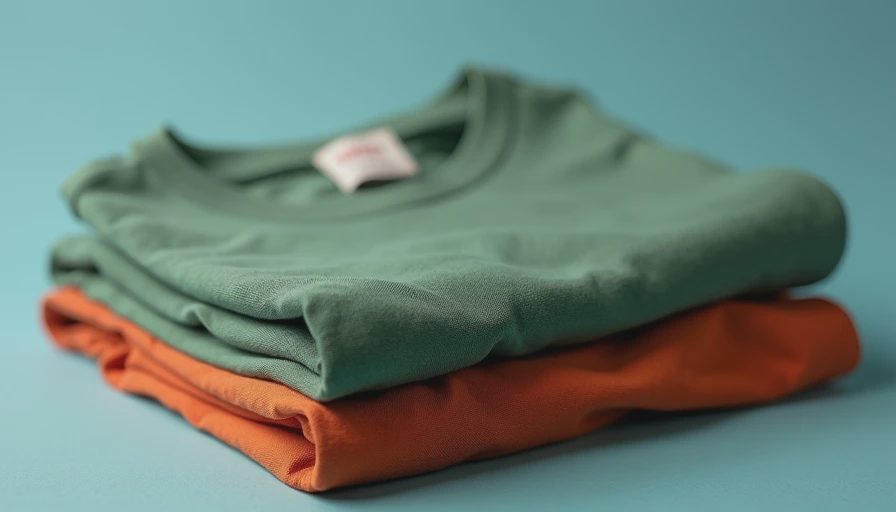
Where 100 percent cotton earns its keep
The safest first buys are the pieces you wash the most and notice the least when they work. A heavyweight white T-shirt, a camp shirt, a button-front Oxford, and a simple sweatshirt are all strong candidates for 100 cotton wear because they can handle repeated laundering without the shiny look some blends pick up over time. For school drop-off, I like a boxy tee with a shoulder seam that lands right on the edge of the shoulder, then a cotton overshirt from Gap or Buck Mason layered on top. For client meetings, a cotton poplin shirt with a little room through the torso looks sharper than a clingy stretch shirt that grabs at every button. For dinner, a fine-gauge cotton sweater from J.Crew or Quince can sit neatly over trousers without the fuss of wool in mild weather. If you are buying on a budget, look around $18 to $35 for tees, $60 to $90 for shirts, and $80 to $130 for knitwear. Less than that can still work, but it needs a very good fabric hand or a sale tag that makes the risk worth it.
How to read the label before you check out
The label will tell you more than the marketing copy. If you want 100 cotton wear that keeps its shape, look at the weave first. Poplin and oxford are firmer and usually better for shirts. Jersey is softer and better for tees, but the ounce weight matters because a flimsy jersey will spiral after a few washes. For sweaters, a tighter knit with a ribbed hem and cuff usually behaves better than a loose fisherman style if you plan to wear it under jackets. I also check care labels for one simple reason: if the tag says machine wash cold and tumble dry low, the brand has already thought about real-life use. A lot of people ignore seam finishing, but it is one of the fastest tells. Flatlocked seams, neat bartacks, and a clean neckband are the details that separate a tee you reach for all week from one you relegate to painting-the-garage duty. If you are shopping online, zoom in on the collar and cuffs. If those edges look limp in the product photo, they will not magically gain backbone in your laundry room.
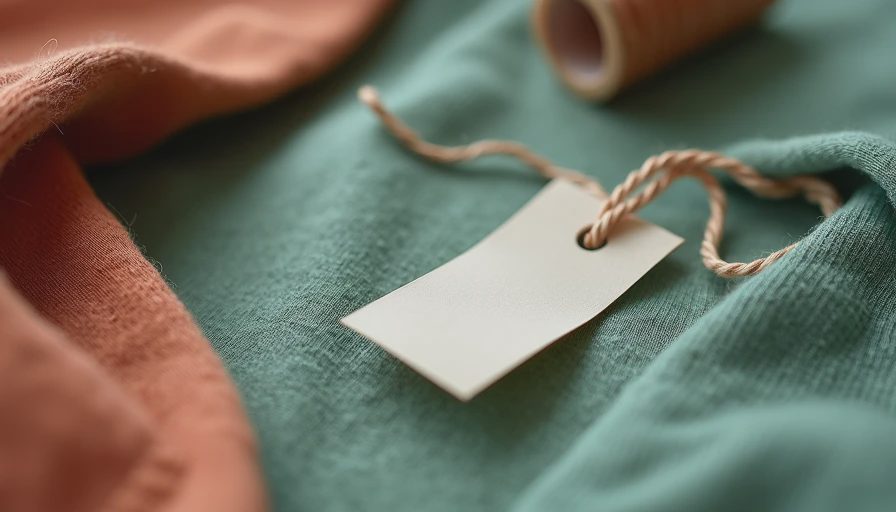
How to keep it looking expensive
Cotton punishes laziness in the wash, but it rewards a simple routine. Wash cool, not hot, because heat is what turns a perfect tee into a shorter, wider version of itself. Turn dark pieces inside out. Do not overload the machine, because friction is what roughs up the surface and starts the pilling. If a shirt is meant to be dried, pull it out while it is still slightly damp and hang it smooth; if it is a sweater or a structured shirt, lay it flat and let the hem dry in its own shape. One of the easiest mistakes with 100 cotton wear is buying true-to-size and then shrinking it into a size down. If you like a shirt to skim rather than cling, choose the size that fits your shoulders and accept a little ease through the body. A sleeve can be shortened. A tight armhole cannot be wished into comfort. When the garment is white, treat stains fast. A little dish soap on the cuff or collar before washing does more good than a heroic amount of bleach later.
When cotton is not the right answer
I love cotton, but I do not pretend it solves everything. For leggings, travel pants, bodysuits, or anything you want to spring back after a long day in the car, a blend with elastane usually makes more sense. Pure cotton also has limits in humid weather if the cut is too close to the body. That is why I do not buy cotton tank dresses unless the knit is substantial and the lining is smart. In 100 cotton wear, structure is your friend, but stretch has a job too. A little nylon in a tote bag makes it less likely to collapse. A bit of elastane in a trouser keeps the knees from bagging after you sit through a two-hour meeting. I am not interested in purity for its own sake; I am interested in clothes that work. If a blend gives you better movement, fewer wrinkles, or a cleaner line under a blazer, take the blend and move on. The goal is a closet where each item earns its hanger, not a prize for fiber composition.
A ten-minute try-on test that saves returns
A try-on at home is where 100 cotton wear tells the truth. Put the shirt on over the bra or tee you actually wear, not over whatever is closest on the bed. Lift your arms, sit down, tuck the front, then untuck it. If the side seams swing forward or the collar caves after a few minutes, the fit is off. I also pinch the fabric at the midsection and elbow. If the cloth is so thin that you can see the pocket outline through it, the piece will not age well. For cotton sweaters, check whether the hem stays flat after a little wear. For woven shirts, make sure the back does not pull across the shoulders when you reach for a car seat or laptop. If one detail bothers you in the fitting room, it will bother you more on a Tuesday morning when you are late.
The short version for real-life shopping
If you want to build around 100 cotton wear, start with the pieces that touch your life most often: tees, button-downs, a sweatshirt, and one sweater that can do school pickup and dinner. Check the hand feel, the knit density, and the shoulder seam before you fall for color or branding. Spend a little more where wear is heavy and pay less where the cut is simple. That is how a closet gets calmer without getting boring. On a good day, a white tee from Uniqlo, a J.Crew Oxford, and a Buck Mason sweatshirt can cover more of your week than three trend pieces that look better in the cart than on the hanger. If you learn to read cotton well, you stop buying on hope and start buying on evidence. That is the whole point.




No comments yet — be the first to share a thought.