When women ask me where to start with environmental fashion brands, I usually give the same answer: start with the piece you will wear twice a week, not the one you buy for a mood board. A $48 T-shirt that twists after two washes is expensive. A $128 sweater that keeps its shape through school drop-off, office hours, and dinner is often cheaper in the long run. I learned that working on the design side at J.Crew, where fabric choice, seam finishing, and fit changes could make the difference between a hero piece and a return pile. The goal is not to become a perfect shopper. The goal is to buy fewer things that do more work.
What I look for first is simple: fabric content, construction, and whether the brand seems built for wear instead of just marketing copy. Organic cotton, linen, wool, recycled nylon, and lyocell can all be part of a good closet, but only if the garment is cut well and finished cleanly. I care less about a dramatic sustainability slogan and more about whether the cuffs are secure, the knit feels dense, and the brand offers repairs, resale, or at least good product information. That is where the useful difference lives.
How I shop environmental fashion brands without overbuying
Not every label that calls itself one of the environmental fashion brands is doing the same job. Patagonia is still the easy reference point for durability and repair culture, especially in outerwear and fleece. Eileen Fisher has built a strong secondhand and take-back business, and its best pieces are often quiet, polished basics in linen, wool, and organic cotton. Everlane tends to live in the simple-basics lane, while Quince focuses on lower prices and clean silhouettes, so I look hard at fabric weight and finishing there. Mara Hoffman is more design-forward and usually priced higher, but the cuts can be excellent if your closet needs something with more shape than a plain tee.
The point is not to crown a winner. The point is to match the brand to the problem in your closet. If you need a black cardigan that works with jeans and a midi skirt, spend the money on merino wool or a dense cotton blend and skip anything that feels fuzzy before the first wear. If you need a rain shell, a recycled nylon jacket from Patagonia or Cotopaxi can make more sense than a fashion coat that looks nice for one month and then gives up in a downpour. If you need a soft tee, look for a tighter knit, shoulder seams that sit where they should, and a neckline that does not wave out after three washes.
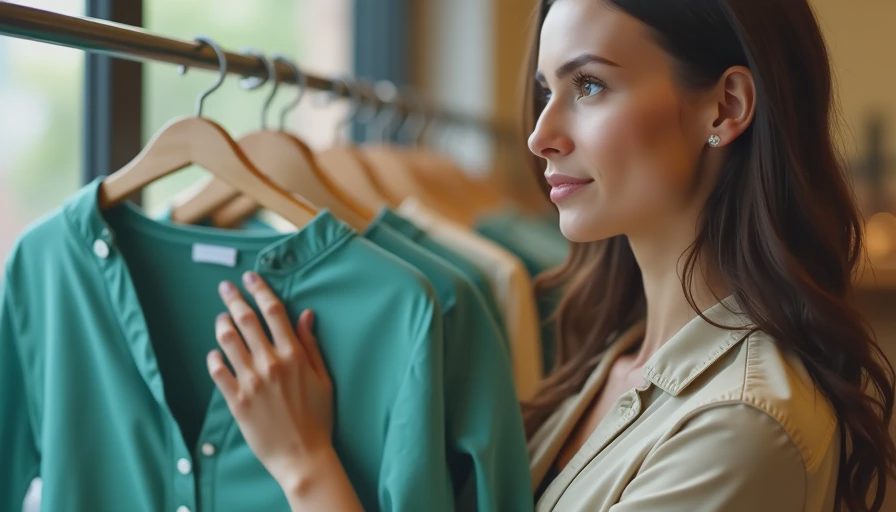
One thing I tell clients all the time is that price and value are not the same thing. A $36 organic cotton tee can be a bad buy if the neck hole stretches out and the white turns gray at the collar. A $78 tee can be a good buy if it keeps its shape and layers cleanly under a blazer. The same logic applies to sweaters, where a $98 cotton blend from J.Crew Factory or Madewell might outlast a looser $160 knit if the gauge is tighter and the seams are better balanced. Shop the garment, not the slogan.
What to check before you click buy
If you are shopping online, zoom in on the details the brand hopes you will skip. Read the fabric line first. A garment that is 100 percent linen will wrinkle more than a linen blend, and that is fine if you expect it. A sweater with a lot of acrylic may feel soft in the listing photo and then pill hard after a month. Look for words that suggest structure: ribbed cuffs, fully fashioned knit, bound seams, double-layer fabric, or lined shoulders. Those are small signals that someone designed the piece to hold up instead of just photograph well.
Then check the return policy and the care instructions. If a shirt must be dry-cleaned, think about whether that fits your real life. I live in Richmond, and I am not sending a casual sweater to the cleaner every other week just to keep it wearable. I want machine wash or easy hand wash whenever possible. I also want the brand to show the garment on more than one body type if it is selling fit-sensitive pieces like trousers or dresses. That is not about chasing perfection. It is about reducing the odds of a closet mistake.
If you want a practical price map, this is the range I usually see: tees around $28 to $58, sweaters around $88 to $220, trousers and denim around $90 to $180, and coats from about $250 to $500. You do not need to spend at the top of every category, but you should know why a piece costs what it costs. Better yarn, better dyeing, and better construction all add up.
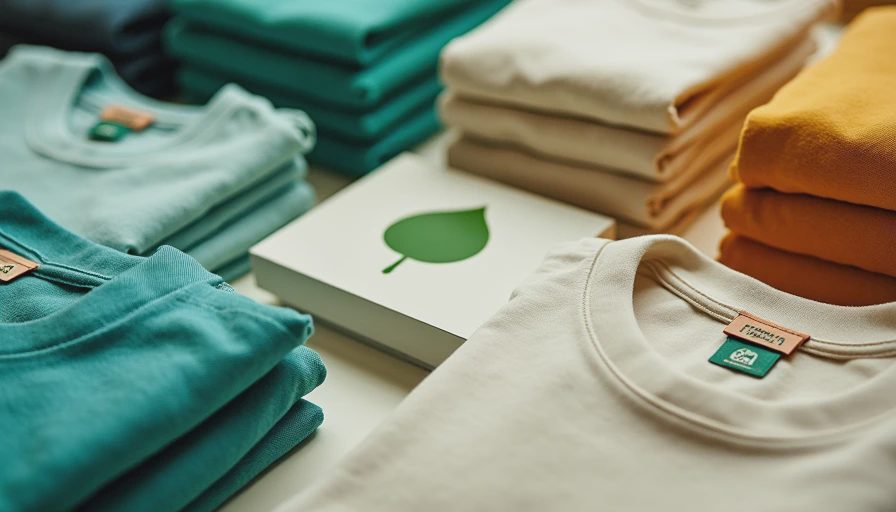
A small wardrobe test that tells you a lot
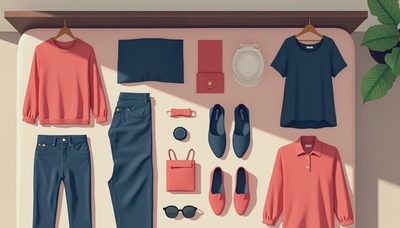
When I am deciding whether a piece belongs in a working closet, I give it a simple test. Can it go from school drop-off to a client meeting to dinner without requiring a costume change? A straight-leg trouser, a merino cardigan, and a clean sneaker can do that. So can a dark jean, a crisp tee, and a blazer with enough shoulder structure to look intentional. If a piece only works with one very specific shoe, one very specific bra, or one very specific mood, it is probably not pulling enough weight.
That is why I like environmental fashion brands when they are done well: they often think harder about longevity, which lines up with how real women dress. The best ones give you fabric that feels substantial, seams that do not unravel, and silhouettes that stay relevant after the algorithm moves on. I am not interested in a moral scorecard. I am interested in whether you can wear the thing on Tuesday, wash it on Thursday, and reach for it again next month without sighing.
If you want a starting point, build around one great knit, one dependable pant, and one outer layer that does not look tired the minute the weather changes. Eileen Fisher, Patagonia, Everlane, Quince, and Mara Hoffman each solve a different part of that equation, and none of them is perfect for everyone. But the best environmental fashion brands do share one trait: they make it easier to buy less and wear more. That is the whole game. Every piece earns its hanger.


No comments yet — be the first to share a thought.