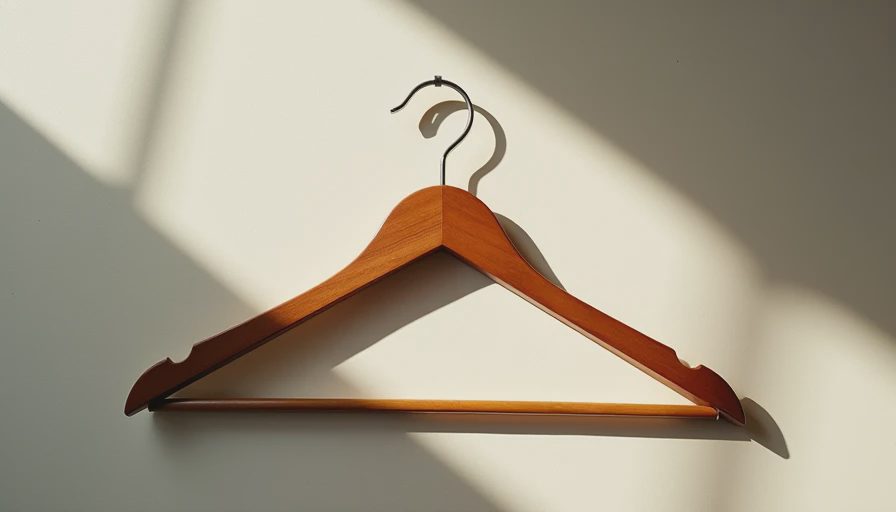
The Day I Realized I Was Part of the Problem
I still remember the exact conference room. Bright fluorescent lights, mood boards covered in next season’s “must-haves,” and a table full of half-drunk cold brew. I was leading the knitwear category at J.Crew, presenting yet another collection of sweaters that looked incredible on the model but would pill after three washes for real women.
A colleague leaned over and whispered, “These will fly off the racks.”
I smiled on the outside. Inside, something cracked.
Because I knew the truth: most of those sweaters would end up in the back of someone’s closet, unworn, making them feel guilty instead of good. That moment was the beginning of the end of my corporate design career.
From Designing More to Helping Women Own Less
I spent seven years at J.Crew because I genuinely loved clothes. The way a perfect rollneck can make you feel put-together on a chaotic Tuesday. The satisfaction of finding a fabric that drapes just right because the dart placement is impeccable. But the higher I climbed, the more I saw the machine behind the magic — the pressure to produce more, faster, trendier.
Fast-forward to 2021. I handed in my notice, packed up my desk (which had way too many sample garments), and moved back to Richmond, Virginia with my husband Chris and our kids. I launched Stanton Wardrobe Studio: one-on-one capsule wardrobe consulting for women who were tired of closets full of “nothing to wear.”
People thought I was crazy. “You’re leaving J.Crew to tell people to buy less?”
Yes. Exactly.
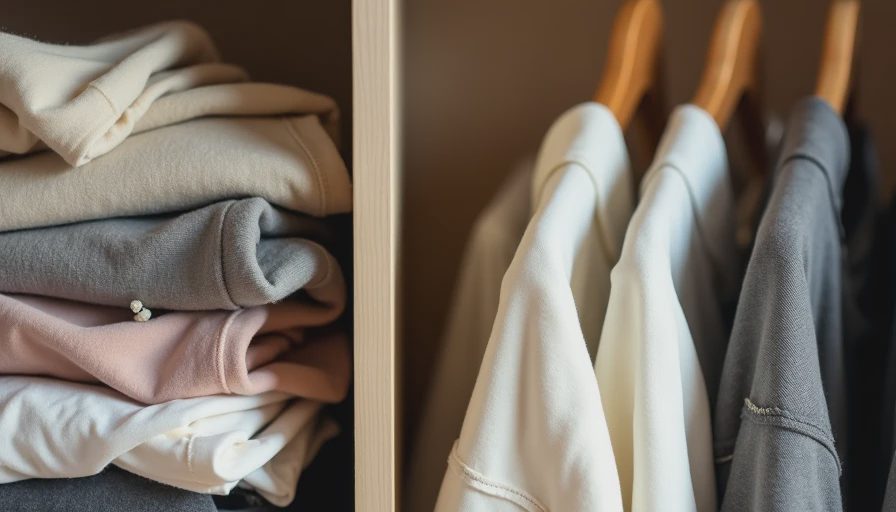
What “Owning Less” Actually Means (And What It Doesn’t)
Let me be clear: this isn’t about becoming a minimalist monk who only owns seven identical gray shirts. That’s not realistic for a mom who does school drop-off, client calls, and occasional date nights.
Owning less means every single piece in your closet earns its hanger.
It means you open your closet and actually like everything in it. No more “maybe someday” dresses or “I’ll fit into this again” pants. Just reliable, beautiful, well-made items that work together and work for your life.
The Designer Secrets I Now Use Against Overconsumption
One of the biggest ironies of my career is that the more I understood how clothes are made, the less I wanted to buy.
I know why that $29 blouse falls apart: cheap seams, poor fabric tension, rushed production. I also know why the $180 version feels like it was made for you: proper interlining, French seams, and a pattern graded correctly across sizes.
Every piece earns its hanger isn’t just a cute phrase. It’s a filter. Before anything new comes home, I ask: Can I name three existing pieces it will work with? Will it survive real life — washer, kid hugs, actual movement? Does it spark joy and solve a specific problem in my wardrobe?
A Real Week With My Own Capsule
Last month I challenged myself: 12 pieces, one full week of Richmond life. School drop-off. Client consultation. Kayaking on the James River (yes, I have a waterproof layer now). Pottery studio time. Dinner with friends.
Guess what survived beautifully?
The heavy-weight organic cotton turtleneck I’ve had since 2018 (still looks sharp)
My navy wide-leg trousers with the perfect rise
That one blazer with actual canvas construction
The casualties? A “cute” lightweight sweater that stretched out by Wednesday and a pair of trendy jeans that looked awful after one wash.
Those failures taught me more than any trend report ever could.
For the Woman Who’s Tired of Starting Over
If you’re between 28 and 48, juggling work, family, and that nagging feeling that your closet is working against you — I see you.
You don’t need another “10 pieces for spring.” You need permission to stop the cycle. To keep what works, repair what can be fixed, and be ruthlessly honest about what doesn’t serve your actual life.
My daughter Maya (10 years old and already raiding my closet) recently asked why I don’t buy new clothes every week like some of her friends’ moms on Instagram. I told her: “Because I want my clothes to feel like old friends, not strangers I have to get to know every season.”
The Freedom on the Other Side
Here’s what nobody tells you about building a smaller wardrobe: it’s incredibly freeing.
No more decision fatigue in the morning. No more buyer’s remorse. More money for the things that matter — pottery classes, family trips, or that beautiful wooden hanger set that makes opening your closet feel like a boutique experience.
I still love fashion. Deeply. But I love it differently now. I love it intentionally.
Your Turn: The First Step
Start simple. Open your closet. Pull out one item you haven’t worn in six months. Ask it honestly: Are you earning your hanger?
If the answer is no, thank it for its service and let it go — sell it, donate it, or gift it.
Then celebrate the space you just created. That empty hanger? It’s not emptiness. It’s possibility.
This is just the beginning. In future posts in The Edit, we’ll dive into the Rule of Three, spring capsules built from what you already own, and how to create a 30-piece wardrobe that genuinely gets you through the year.
Because you deserve a closet that works with you, not against you.
And every single piece in it should earn its hanger.


No comments yet — be the first to share a thought.