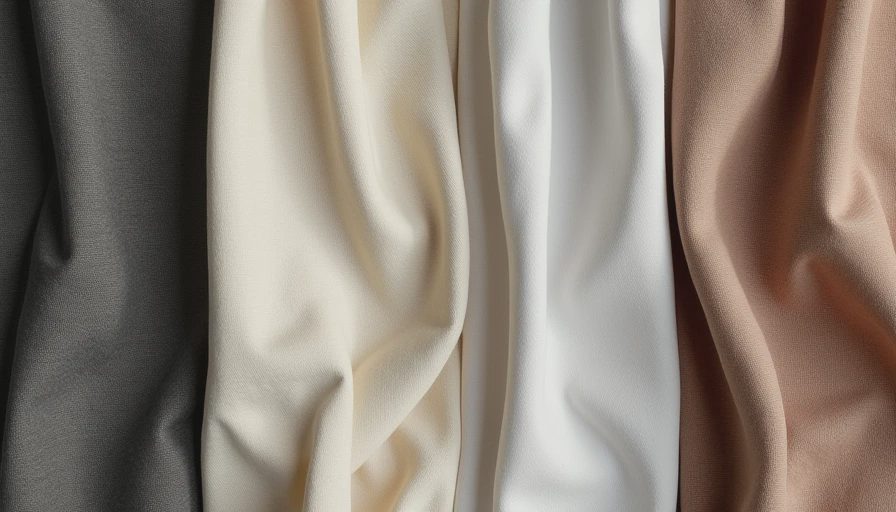
The Fabric Lie We’ve All Been Sold
I used to stand in fabric showrooms in New York with swatches draped over my arm, making million-dollar decisions for J.Crew collections. Buyers would gush over something because it “felt luxe.” I’d smile politely while internally screaming because I knew that “luxe” feeling would disappear after one trip through the washing machine.
After seven years in the industry, I learned something crucial: price and brand names tell you almost nothing. The real difference is in five specific qualities you can learn to judge yourself. This cheat sheet is what I now teach every client who walks into my Richmond studio.
The Five Things That Actually Matter
1. Fiber Quality and Length
Longer fibers = stronger, smoother, more durable fabric.
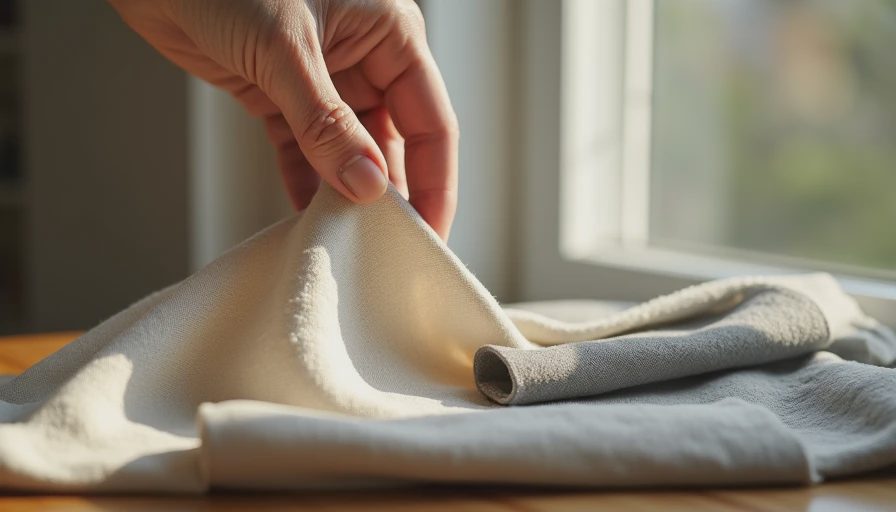
Think of it like rope. Short, stubby fibers (common in cheap cotton) create fuzz and pilling because they slip out easily. Long-staple Egyptian cotton or high-quality merino wool holds together beautifully.
Real-life test: Rub the fabric vigorously between your fingers for 10 seconds. If it immediately starts to pill or create little balls, walk away. I once returned a “premium” cashmere blend sweater after this test in a store — saved myself the regret.
2. Fabric Weight (GSM)
GSM stands for grams per square meter. Heavier isn’t always better, but cheap lightweight fabrics (under 120gsm for knits) usually stretch out and lose shape.
My go-to ranges:
T-shirts: 180–220 gsm
Button-downs: 120–150 gsm (oxford)
Trousers: 280–350 gsm for nice drape without stiffness
Sweaters: 300+ gsm for winter pieces that hold their shape
When I test items for clients, I literally weigh them on my kitchen scale sometimes. Yes, I’m that person.
Why Your Clothes Don’t Last (Construction Matters Too)
3. Weave or Knit Structure
A tight, even weave resists snagging and abrasion. Loose weaves look airy and romantic until they catch on your bag and create a hole.
For knits: Look for tight, consistent stitches. Double-knit or interlock constructions are your friends — they resist curling at the edges and maintain shape better than single jersey.
I still have a 2017 J.Crew merino sweater I designed that gets worn weekly. The secret? A beautifully engineered rib structure at the hem and cuffs that hasn’t lost its snap.
4. Drape and Recovery
Pick up the fabric and let it fall. Good fabric has beautiful drape but springs back into shape.
Poor recovery means your elbows will bag out, your knees will pillow, and you’ll look rumpled by lunchtime. I demonstrate this in consultations by making clients sit down and stand up in potential purchases. The ones that immediately bounce back? Keepers.
5. Hand Feel vs. Performance
This is where many people get tricked. Super soft can mean heavily chemically treated or low-quality fibers that will degrade fast.
The best fabrics feel good and perform. My favorite summer linen has a crisp hand that softens beautifully with wear but doesn’t wrinkle into a complete mess. There’s a difference between “buttery soft” that falls apart and “substantial softness” that improves with age.
Price Tiers: What You’re Actually Paying For
Let me break down the white button-down I tested recently:
$30 version: Thin fabric, poor recovery, puckered seams after first wash. Looked tired immediately.
$150 version: Better cotton, decent construction, held up for one season.
$300+ version: Long-staple cotton, beautiful single-needle stitching, French seams, proper pattern matching at pockets. Still looks sharp after multiple seasons.
The jump in quality between $30 and $150 was significant. Between $150 and $300? Noticeable but smaller. This pattern repeats across categories.
Practical Shopping Rules I Live By
The Light Test: Hold fabric up to a window. If you see through it easily and it feels tissue-paper thin, it won’t last.
The Wrinkle Test: Crumple a corner in your fist for 30 seconds. Release. Good fabric smooths out reasonably. Terrible fabric looks like it was slept in.
The Seam Check: Look inside. Are seams finished properly? Are they straight? This tells you more about the brand’s values than any marketing copy.
Buy Once, Cry Once: I’d rather spend $180 on something that lasts five years than $40 four times on replacements.
How This Changed My Own Closet
When I left J.Crew, my personal closet was a disaster of samples and impulse buys. Applying these rules ruthlessly helped me edit down dramatically.
My current capsule features mostly mid-to-higher quality pieces that I know intimately — their strengths, their care requirements, and exactly how they fit into my Richmond life of client meetings, pottery studio time, and chasing kids around.
The result? I get dressed faster, feel more confident, and spend way less time and money overall.
Start Building Your Fabric Knowledge Today
Next time you’re shopping, forget the brand for a moment. Feel the weight. Check the recovery. Look at the construction details.
You don’t need a fashion design degree to make better choices. You just need to know what to look for.
And remember: every piece you bring home should earn its hanger — starting with the fabric itself.
In upcoming Seam Talk posts, we’ll dive deeper into specific fabrics (linen vs cotton vs Tencel), why that blazer costs $400, and the fit issues nobody talks about — pattern grading.
Your closet (and your wallet) will thank you.


No comments yet — be the first to share a thought.