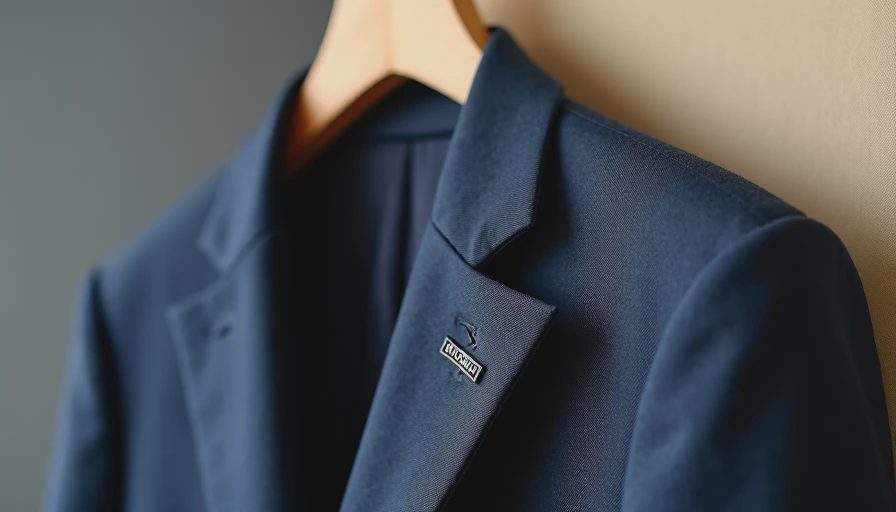
The Blazer Question I Get Asked Most
“How can this one blazer cost $400 when I can get something that looks similar for $89?”
It’s a fair question. As someone who spent years on J.Crew’s design team leading knitwear and working closely with tailored pieces, I’ve seen both sides of the price spectrum. Today I’m pulling back the curtain on what actually justifies that higher price tag.
Let’s dissect a classic women’s blazer and see where the money goes.
The Foundation: Canvas Construction
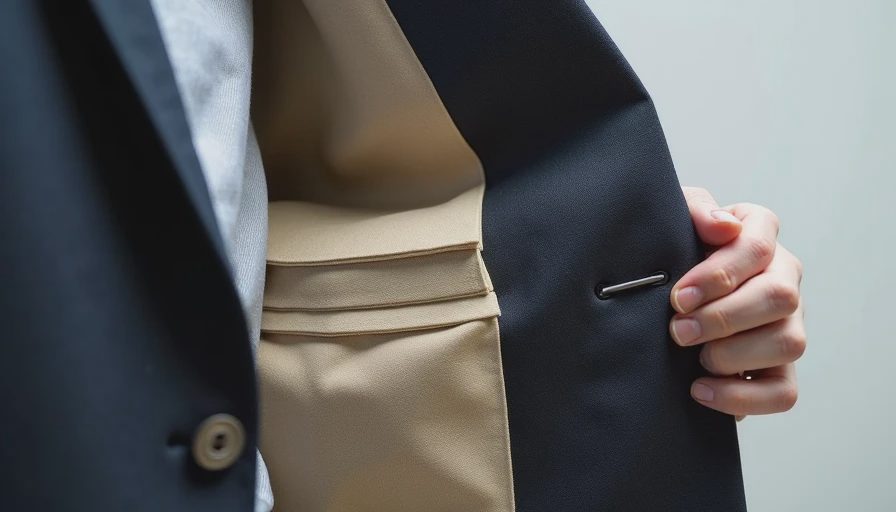
This is the biggest difference between a $89 blazer and a $400+ one.
Cheap blazers usually use “fused” construction — a thin layer of glue holds the fabric to a stiff interfacing. It feels structured initially but breaks down after a few wears and cleanings. You’ll notice bubbling, stiffness, and loss of shape.
Quality blazers use canvas construction. A proper horsehair or wool canvas is sewn (not glued) between the outer fabric and lining. This creates structure that molds to your body over time, maintains shape, and allows the blazer to drape beautifully.
When I run my fingers along the lapel of a well-made blazer, I can feel that subtle roll and softness that fused construction never achieves. That’s the difference you feel when you wear it all day.
Sleeves: The Make-or-Break Detail
Set-in sleeves done properly are surprisingly labor-intensive.
In a quality blazer:
Sleeves are hand-set or carefully machine-set with easing stitches
There’s proper rotation and shaping so the sleeve moves with your arm instead of pulling
The shoulder line sits exactly where it should
I’ve seen $89 blazers where the sleeves are simply sewn on flat. They restrict movement and create wrinkles across the back when you sit or reach for your coffee during a client meeting.
That $400 blazer? You can raise your arms comfortably. The sleeves don’t pull. It looks as good at 5 PM as it did at 9 AM.
Fabric, Lining, and Hardware
The outer fabric in a quality blazer is usually a higher-grade wool or wool blend with better drape and durability. It resists pilling and holds a press.
Linings matter too. Cheap blazers often use slippery, thin polyester that bunches up. Better ones use silk or high-quality viscose that glides smoothly and feels luxurious against your skin.
Even the buttons and buttonholes tell a story. Quality pieces have reinforced buttonholes that don’t fray and buttons that are securely attached (often with a shank for better drape).
Pattern Grading and Fit Across Sizes
This is one of the most overlooked differences and something I’m particularly passionate about.
Mass-market fast fashion often takes a size 4 pattern and simply scales it up or down mathematically. The result? Larger sizes lose proportion and smaller sizes feel restrictive.
Good brands invest in proper pattern grading. They adjust not just overall size but dart placement, armhole depth, and shoulder slope for each size. The blazer fits you, not a distorted version of a sample size.
Real Cost Breakdown (Approximate)
Here’s a simplified look at where the money goes in a $400 blazer:
Higher quality fabric: $60–90
Canvas + quality interfacing: $35–55
Labor (skilled sewing, hand finishing): $120–180
Hardware, linings, details: $30–50
Design, sampling, quality control: remaining amount
Compare that to a $89 blazer where corners are cut at every step — cheaper fabric, fused construction, minimal quality checks.
How to Spot Quality When Shopping
You don’t need X-ray vision. Here are my quick checks:
Lapel test: Feel for canvas underneath. There should be some give and softness.
Shoulder check: Press on the shoulder pad area. Quality pieces feel structured but not rigid.
Sleeve tug: Move your arms. No pulling across the back.
Inside look: Check seam finishing and lining quality.
Weight test: A good blazer has some substance without feeling heavy.
Why I’m Willing to Invest (And Why You Might Too)
That $400 blazer I bought three years ago? Still looks sharp. It’s been through dozens of client meetings, school events, and even survived a surprise rainstorm in Richmond.
The cheaper alternatives I’ve tried needed replacing every season. In the long run, the quality piece saves money and decision fatigue.
Every piece earns its hanger — especially the ones that work as hard as a good blazer does in a woman’s wardrobe.
Next Steps for Your Own Blazer Hunt
Next time you’re considering a blazer purchase, slow down. Feel the construction. Ask the questions.
Whether you invest in one quality piece or hunt for a great vintage version (my barn jacket proves thrifting can deliver too), understanding construction helps you make better decisions.
Your future self — the one reaching for the same reliable blazer year after year — will thank you.


No comments yet — be the first to share a thought.