The first sign that your closet needs help is not a dramatic lack of space. It is the 7:42 a.m. search for one wearable blouse while a dry-cleaning bag, three empty hangers, and last summer's sandals block the view. Custom closet systems can solve that problem, but only when the design follows your actual wardrobe and your actual mornings. A wall of shelves is not automatically useful. The right layout lets you see your clothes, reach them quickly, and put them away without playing textile Jenga.
I have designed enough clothing to know that storage decisions are really editing decisions. Before you choose oak drawers or brushed nickel rods, count what you own and notice what you reach for. If you wear trousers four days a week, they deserve prime hanging space. If you live in knitwear, deep shelves matter more than a jewelry valet. Every piece earns its hanger, and every inch of a closet should earn its cost.
Start with the wardrobe, not the showroom
The best custom closet systems begin with a simple audit. Pull out your everyday work clothes, weekend pieces, shoes, bags, and seasonal items. You are not judging the size of your body or your wardrobe. You are identifying patterns. A woman who wears a uniform of straight-leg jeans, silk shells, and cardigans needs a different closet than someone who owns twenty dresses and rarely wears pants.
Measure the wall width, ceiling height, door swing, baseboards, and any vents before shopping. A reach-in closet often has 24 inches of useful depth, while a walk-in can support deeper drawers and an island if the walkway remains comfortable. Mark where the light switch sits. I once planned a beautiful drawer bank that made the switch awkward to reach; beautiful is not the same as functional.
Think in zones. Put daily clothes between shoulder and eye level. Use the highest shelves for luggage, ski layers, or the sequined dress you wear once every three years. Reserve low space for shoes, laundry hampers, and baskets. The goal is not to fill every opening. Empty space gives the system room to work when your life changes.

What custom closet systems usually include
Most custom closet systems combine vertical panels, adjustable shelves, hanging rods, drawers, and accessories. The difference between a useful system and an expensive box is the proportion of each element. Double-hang sections are excellent for shirts, blazers, and folded trousers on clip hangers. Long-hang space handles dresses, coats, and jumpsuits. A 30-inch section can be enough for a small dress collection; a serious coat wardrobe needs more.
Drawers are wonderful for underwear, workout clothes, and delicate knits, but they are not the answer for everything. A drawer full of black T-shirts becomes a dark textile drawer unless you use dividers and keep categories narrow. Open shelves make sweaters visible, though shelves deeper than about 16 inches can create a second hidden row. That is where clothes go to disappear.
For materials, melamine is practical and often keeps a system in the roughly $1,000 to $3,000 range for a modest reach-in, depending on hardware and installation. Painted wood or wood veneer feels more furniture-like and can push a project to $4,000, $8,000, or more. California Closets, The Container Store's Elfa, IKEA's BOAXEL, and local millworkers all occupy different price and customization points. Compare the installation, warranty, edge finishing, and drawer hardware, not just the headline price.
How to spend money where you will notice it
Custom closet systems are worth paying for when they remove a daily annoyance. Smooth full-extension drawers are more valuable to me than a built-in scarf hook. A sturdy pull-down valet can help with planning tomorrow's outfit, while a tiny tie rack may be useless if you do not wear ties. Soft-close hinges are pleasant, but they do not compensate for shelves placed too high to reach.
Prioritize the components you touch every day: rods that do not sag, drawer boxes with clean runners, shelves that can move as your wardrobe changes, and a hamper that does not require bending around a door. If you have children, avoid making every shelf adult height. A low rod for school clothes can help a child dress independently and keeps morning questions from starting before coffee.
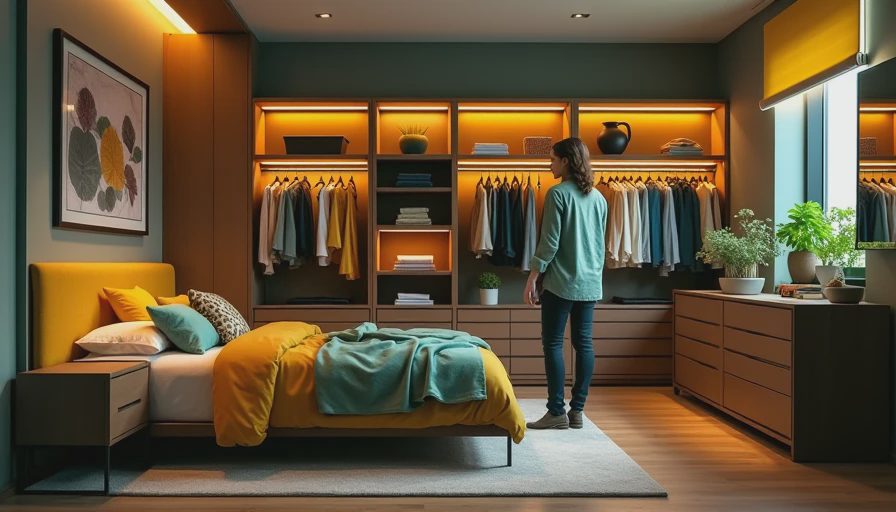
Lighting deserves its own budget. A central ceiling bulb creates shadows, especially in a deep walk-in. Motion-activated LED strips or puck lights can make navy, black, and charcoal garments easier to distinguish. You do not need a luxury electrical installation; even a well-placed rechargeable light can improve a dark corner. The best custom closet systems make the right choice obvious at a glance.
Small closets need sharper decisions
A reach-in closet does not need to imitate a boutique. For many women, two rows of hanging space, one column of drawers, and a top shelf are enough. Use slim velvet hangers only if they actually improve capacity and keep garments from slipping. Do not cram every rod until sleeves overlap; visibility matters more than squeezing in another dozen hangers.
If shoes are taking over the floor, measure pairs you truly wear. An angled shoe shelf can display them, but a plain adjustable shelf often holds more. Store boots upright with boot shapers or rolled paper, and place special-occasion shoes higher. For handbags, one shelf with upright dividers is usually better than a deep pile. A handbag you cannot see is not part of your usable wardrobe.
Doors can help. An over-door organizer works for belts, sunglasses, and small accessories, while a full-height mirror can replace a separate bedroom floor mirror. Be careful with swinging doors in narrow rooms; a sliding door saves clearance but can hide part of the closet when open. These practical details are why measuring beats falling in love with a showroom photograph.
A buying process that prevents expensive regret
Before requesting quotes, photograph the closet empty and write down your five biggest frustrations. Perhaps you cannot see folded sweaters, your hamper has no home, or your partner's coats have taken over your section. Ask each company to solve those specific problems in the design rather than accepting a standard package.
Request a drawing with dimensions, materials, drawer counts, hardware, delivery, and installation listed separately. A quote that says “accessories included” is not detailed enough. Confirm whether the system is anchored to studs, whether old shelving is removed, and what happens if a wall is out of square. Installation commonly adds several hundred dollars or more, but correcting a poor fit later costs more in time and disruption.
Shop your own closet before ordering accessories. If you own two belts, you do not need a rotating belt carousel. If you never fold jeans, do not pay for a deep cubby built around that fantasy. I designed a jewelry drawer for myself once and discovered I preferred a small tray on my dresser. The drawer was beautifully made and completely wrong for my habits.
Make the system support a smaller, better wardrobe
A well-designed storage system should make editing easier, not encourage endless accumulation. Leave a little breathing room between hanging categories so you can see what is already there. Keep a donation bag nearby and remove pieces that no longer suit your work, weekends, or current proportions. This is not a purity exercise. It is a way to stop rebuying the same black cardigan because the original vanished behind five rarely worn jackets.
Use a simple rotation for weather. Bring linen, sandals, and lightweight cotton forward in warm months; move wool coats and heavy knits to the upper shelves. Store them clean and completely dry in breathable containers rather than sealed plastic when practical. Label bins clearly, especially if another person helps with laundry.
The strongest custom closet systems do not make you feel as if you need a new wardrobe. They show you the wardrobe you already have and make its useful combinations easier to find. When you can grab a client-meeting blazer, school-drop-off shoes, or a dinner outfit without emptying a shelf, the design is doing its job. Choose the layout around your life, spend on the hardware you touch, and let every piece earn its hanger.




No comments yet — be the first to share a thought.