A DIY wardrobe is not a punishment project involving beige linen, twenty identical hangers, and a vow never to shop again. It is a practical way to build a closet around your actual life: school drop-off, a client presentation, grocery runs, and dinner when you have twelve minutes to change. After seven years designing women’s wear at J.Crew, I learned that the best wardrobes are not the largest ones. They are the ones where every piece earns its hanger.
Start with the life you actually dress for
Before you pull a single garment from the closet, write down five places you go in a normal month. Mine would include the VCU pottery studio, Maya’s swim practice, a design consultation, dinner with Chris, and a weekend on Cary Street. Your list might say office, school pickup, travel, errands, and date night. That list is more useful than a mood board full of outfits worn by people whose schedules and weather are different from yours.
Now notice the proportions. If you spend four days a week in jeans and knitwear, a collection of delicate dry-clean-only dresses is not a wardrobe plan; it is storage. A strong DIY wardrobe usually begins with the clothes you repeatedly reach for, then identifies what those clothes need. If your favorite straight-leg jeans have no polished top to meet them, add that top. If every work outfit requires uncomfortable shoes, solve the shoe problem before buying another blazer.
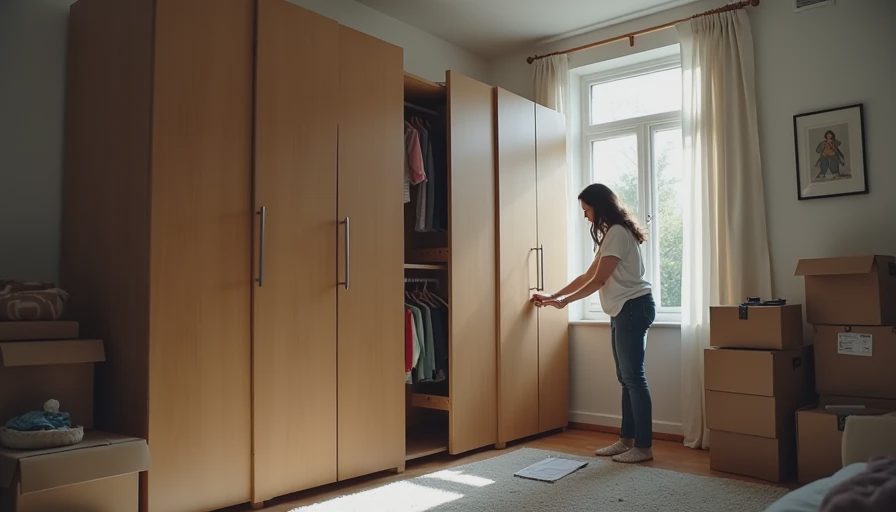
Take everything out by category and make three groups: wear now, needs repair or tailoring, and not part of your current life. Be honest without being dramatic. A dress that fit your life five years ago is not a personal failure; it is simply information.
Learn what makes a garment worth keeping
A designer looks at construction before color. You can do the same. Turn a jacket inside out. Look for a clean seam finish, a lining that moves independently, and buttons attached securely enough to survive a rushed morning. On a shirt, check whether the side seams twist and whether the collar stands neatly after washing. Twisting often signals poor cutting or fabric recovery, and no amount of steaming will turn it into a reliable favorite.
Fabric matters, but fiber content is not a morality score. A cotton-polyester blend can be excellent for a button-down that needs to survive school pickup and an afternoon meeting. A 100 percent cotton tee can feel wonderful and still lose its shape after three washes. For sweaters, look at the blend: merino with a little nylon often handles daily wear better than a very soft, loosely knitted alpaca that sheds on every black trouser.
In a DIY wardrobe, price should connect to use. A $35 Uniqlo merino sweater worn twice a week may be a better purchase than a $220 novelty knit that needs constant care. Everlane, J.Crew, Madewell, Quince, and LL Bean each occupy different price and construction lanes, so inspect the garment rather than trusting the label. A $90 alteration can rescue a $140 blazer, but it cannot fix fabric that pills before lunch.
Build a small color and shape system
You do not need a capsule wardrobe in one prescribed palette. You need repeatable connections. Choose two or three base colors that already appear in your closet, such as navy, cream, charcoal, brown, or denim. Add one or two accent colors you genuinely wear. Mine are deep red and moss green; both work with my navy trousers, faded jeans, and camel cardigan.
Then choose a few shapes that make sense together. Perhaps you prefer a boxy cropped jacket over a fitted tee, or a fluid blouse with a straight trouser. The point is proportion, not disguising your body. A fuller sleeve may need a cleaner lower half; a wide-leg pant often benefits from a shorter jacket or a tucked top. Try the combination in a mirror while sitting, walking, and reaching for a child’s backpack. Clothing has to function beyond the front-facing pose.
A useful DIY wardrobe might include two pairs of jeans, one trouser, one casual skirt or dress, three layering pieces, four everyday tops, and shoes that cover walking, work, and evening. Those numbers are a starting point, not a rule. Your real categories should follow your calendar.
Shop the holes, not the mood
Once your closet is edited, make a shopping list with a job attached to every item. “Black sweater” is vague. “Fine-gauge black merino crewneck that fits under my camel blazer” is useful. “Shoes” is dangerous. “Low-profile leather sneaker that works with cropped jeans and wide trousers” gives you something to evaluate.
For each proposed purchase, name at least three outfits using clothes you already own. If you cannot do that, the item is probably asking your closet to become a different closet. This is where a DIY wardrobe saves money: it interrupts the fantasy that one purchase will solve your entire style identity.
Look at secondhand options for structured pieces. A vintage Brooks Brothers button-down, a gently worn Max Mara coat, or an older J.Crew wool blazer can offer better fabric and construction than a rushed seasonal version. Inspect underarms, cuffs, lining, and odor before paying. For basics, reliable retailers can be more efficient than hunting forever for a perfect used tee.
Make outfit formulas for busy mornings
An outfit formula is not a uniform. It is a shortcut that leaves room for personality. Try straight jeans, a fine-gauge sweater, a leather belt, and loafers for school pickup and coffee. Swap the sweater for a silk-blend blouse and add a jacket for a client presentation. For dinner, change to a sculptural earring and a pointed flat rather than rebuilding the whole outfit.
Photograph combinations that work on your phone. Include the shoes and outer layer; those are the pieces people often forget when imagining an outfit. After two weeks, you will have evidence about what gets worn rather than a theoretical closet plan. My own most-used formula is navy trouser, striped knit, cropped cardigan, and brown loafer. It works for a fitting appointment and a quick stop at the pottery studio, with only the shoes changing.
Care is part of the system. Wash knits less often, use a mesh bag for delicate tops, and remove pilling with a fabric shaver instead of discarding a good sweater. Hang jackets on broad hangers and let damp clothes dry fully before returning them to the closet. These small habits protect the money already spent.
Review the closet without starting over
Set a calendar reminder every three months. Ask which pieces were worn, which were avoided, and whether the problem was fit, fabric, styling, or circumstance. A blouse may be beautiful but too sheer for your office. A skirt may need a shorter hem. A coat may work perfectly once you replace its tired buttons. Diagnose before you donate.
Keep a short list of repeat purchases and reliable brands, but do not turn it into a loyalty program. My old J.Crew favorites include certain cotton poplin shirts and merino knits, while some trend-driven pieces never earned a second wear. That distinction is more valuable than a logo.
The best DIY wardrobe changes gradually. Start with an edit, repair what deserves another season, and buy only the missing links. Your closet should make Tuesday easier, not create another project to manage. When a garment supports your real schedule, feels good in motion, and connects to several outfits, it has done its job. Every piece earns its hanger.



No comments yet — be the first to share a thought.