Custom closet design sounds like a construction project, but the best version starts with a much less glamorous question: what do you actually wear? Before you order walnut drawers or a wall of matching hangers, look at your real week. School drop-off, client presentations, grocery runs, dinner, laundry day. A closet should support those moments, not display an imaginary life you bought during a January sale.
I spent seven years designing women's clothing at J.Crew, and I learned that a beautiful system is useless when it ignores function. The same is true of a wardrobe. You need enough room for the clothes you reach for, clear visibility, and storage that respects how fabrics behave. Every piece earns its hanger, and every shelf should earn its square foot.
Start With a Wardrobe Audit, Not a Shopping List
The first step in custom closet design is editing what you own. Pull everything out by category: dresses, knitwear, trousers, denim, jackets, shoes, and accessories. Do not make decisions while standing in front of a crowded rail. Put each item on the bed where you can see the whole pattern.
Look for evidence, not guilt. A navy merino cardigan worn twice a week tells you more than a sequined top that has been waiting three years for the right party. A pair of $35 jeans that fits your actual schedule may deserve more space than $220 trousers that need constant steaming. Neither choice is morally superior. One simply works harder.
Create four groups: worn regularly, worn for specific occasions, needs repair or alteration, and untouched. The last group deserves an honest question. Is the problem the fit, the fabric, the color, or the fantasy attached to it? I once kept a cropped boucle jacket because I loved the sample-room version I had helped develop. On me, the shoulders were too rigid and the sleeves caught on every door handle. A tailor could not solve the proportion, so out it went.
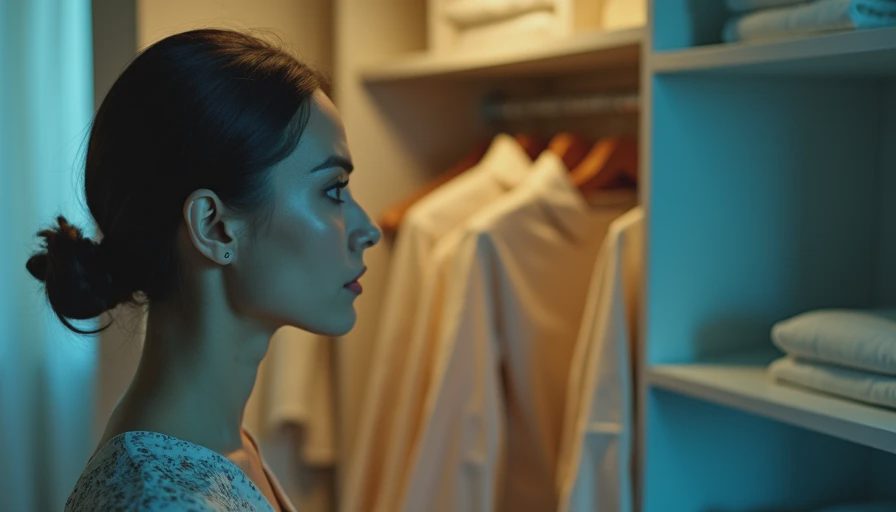
Measure the clothes you are keeping before designing storage. A closet full of folded sweaters needs deeper shelves than a wardrobe dominated by blazers and long dresses. Count your shoes, handbags, belts, and scarves. Leave room for a small amount of growth, but do not design around a future shopping spree. The goal is visibility, not maximum capacity.
Build Zones Around Your Actual Routine
Good custom closet design follows the order in which you get dressed. If mornings begin with a shower, coffee, and a rushed search for a clean blouse, put everyday tops and bottoms at eye level. If you dress for a client meeting twice a week, keep your reliable jacket, trousers, and work shoes together rather than scattering them across three corners.
I like a simple three-zone arrangement. The first zone holds high-rotation clothes: denim, washable knits, cotton shirts, and easy dresses. The second holds professional or occasion pieces that need more care. The third stores seasonal items, luggage, sentimental clothing, and anything you use less than once a month.
Double-hanging rods are useful for shirts and folded trousers, but they are not a universal answer. A silk blouse needs breathing room and a shaped hanger. Heavy cashmere should be folded, never stretched on a wire hanger. Long coats and dresses need a full-height section, while handbags benefit from upright shelves where they can keep their shape.
For materials, melamine is practical and often costs less than painted wood. Veneer brings warmth without the price of solid hardwood. The Container Store's Elfa system can work well in a rental or for a first installation, while California Closets offers more built-in customization. An independent carpenter may be the better choice for an awkward alcove or a 1920s home with uneven walls.
Choose Storage That Protects the Clothes
Custom closet design should account for fabric, weight, and maintenance. Wire shelving is inexpensive, but it can leave marks on folded knits and lets small accessories disappear. Smooth shelves with a front lip are kinder to sweaters. Shallow drawers are excellent for underwear, belts, and silk camisoles because you can see the contents without digging.
Use sturdy wood or padded hangers for jackets and structured dresses. Slim velvet hangers save space for lightweight shirts, but do not force a heavy wool coat onto one. A reasonable mix might cost $30 to $80 for a set of quality hangers, far less than replacing a shoulder shape ruined by poor support.
Lighting matters more than people expect. A warm ceiling fixture can make black, navy, and brown look almost identical at 6:30 a.m. Add motion-sensor LED strips under shelves or along hanging sections. You do not need a showroom. You need enough light to distinguish charcoal trousers from black trousers before you leave for the school bus.
Keep an open section for outfit planning. Even twelve inches of visible hanging space can hold tomorrow's clothes. That small pause prevents the familiar panic cycle: nothing to wear, emergency online order, package arriving after the event.
Make the Investment Fit Your Home and Budget
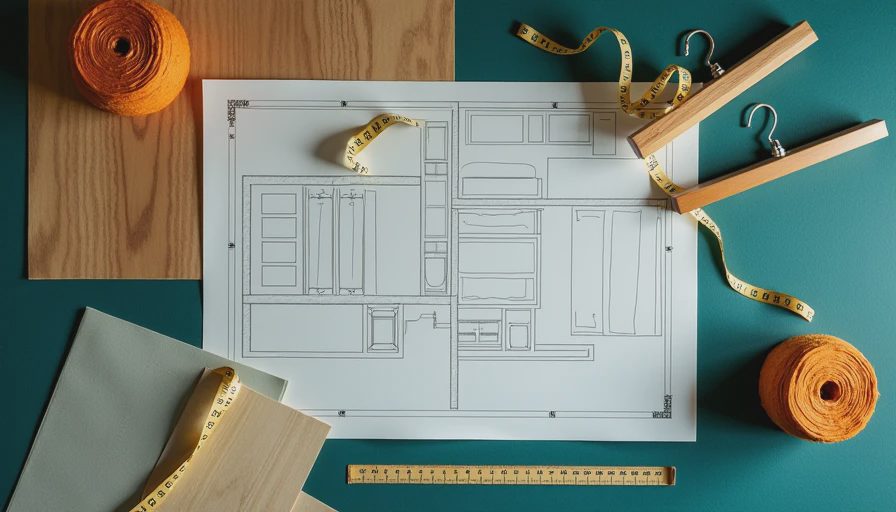
The cost of custom closet design can range from a few hundred dollars for a modular reach-in update to several thousand for a fully built-in system. The price depends on materials, drawers, lighting, installation, and whether walls or trim need repair. A $2,000 installation is not automatically better than a $600 system if the cheaper option gives you better access to your daily clothes.
Start with the problem that annoys you most. If shoes block the floor, solve footwear first. If folded items collapse into piles, invest in drawers or adjustable shelving. If you cannot see your clothes, improve lighting and reduce density before adding more cabinetry.
Ask for a measured plan, a materials list, hardware details, installation terms, and a clear explanation of what happens if a wall is out of square. Compare at least two quotes. California Closets, ClosetMaid, IKEA's BOAXEL, and local installers all occupy different price and customization levels. Brand recognition is less important than a layout that suits your room.
Create a Closet You Can Maintain
The strongest custom closet design is one you can reset in ten minutes. Put laundry away by category, not by whichever empty shelf is closest. Return shoes to the same zone. Keep a small repair basket for missing buttons, loose hems, and items waiting for the dry cleaner.
Every three months, look at what moved and what did not. A cream cotton sweater may have seemed impractical until you discovered it works under your navy blazer. A statement skirt may remain untouched because it needs a different shoe or a simpler top. This is useful information, not a personal failure.
Do not fill every new shelf immediately. Empty space lets you see the clothes you own and makes dressing calmer. It also gives you room to test a purchase before committing to another storage upgrade. If a new item does not work with at least three outfits or solve a real wardrobe gap, let it go back to the store.
The Best Closet Is the One That Gets Used
Custom closet design is not about creating a polished backdrop for perfect clothes. It is about removing friction from ordinary mornings. You should be able to find the washable trousers for drop-off, the jacket for a presentation, and the jeans that still feel good after a long dinner without excavating a pile.
Plan around your body, your schedule, your laundry habits, and your home. Spend on visibility and access before decorative details. Use shelves where folding makes sense, rods where hanging protects shape, and drawers where small things become clutter. Then give the system a few weeks before judging it.
A well-designed closet does not demand a new wardrobe. It reveals the useful one already there. When every garment has a visible place and a job to do, getting dressed becomes less about chasing an ideal and more about knowing your own clothes. That is the kind of custom closet design worth paying for—and the kind that makes every piece earn its hanger.


No comments yet — be the first to share a thought.